
The Oldest Code of Laws in the World
Step into the ancient world with one of history's most groundbreaking legal texts.
The Code of Hammurabi is more than a list of ancient laws-it's a window into the heart of Babylonian civilization nearly 4,000 years ago. Originally inscribed on a towering stone stele around 1754 BC, this remarkably preserved document reveals the values, struggles, and structure of early Mesopotamian society.
Enacted by King Hammurabi, the sixth ruler of Babylon's First Dynasty, the code outlines 282 laws covering everything from trade, wages, and contracts to family dynamics, civil rights, and criminal justice. Famous for its principle of "an eye for an eye," the Code of Hammurabi wasn't just about punishment-it aimed to maintain order, protect the vulnerable, and uphold a sense of divine justice.
This early 20th-century translation brings the original Akkadian text to life in clear, accessible language. Readers will discover how class distinctions influenced punishments, how early law addressed issues still relevant today, and how Hammurabi portrayed himself not merely as a king-but as a divinely chosen guardian of justice.
First published in 1903, this edition remains a timeless resource for anyone interested in the origins of law, human rights, and governance. Whether you're a history lover, a legal mind, or simply curious about humanity's oldest rules, The Code of Hammurabi offers a powerful reminder of how ancient societies sought fairness in a complex world.
1016364125
The Code of Hammurabi is more than a list of ancient laws-it's a window into the heart of Babylonian civilization nearly 4,000 years ago. Originally inscribed on a towering stone stele around 1754 BC, this remarkably preserved document reveals the values, struggles, and structure of early Mesopotamian society.
Enacted by King Hammurabi, the sixth ruler of Babylon's First Dynasty, the code outlines 282 laws covering everything from trade, wages, and contracts to family dynamics, civil rights, and criminal justice. Famous for its principle of "an eye for an eye," the Code of Hammurabi wasn't just about punishment-it aimed to maintain order, protect the vulnerable, and uphold a sense of divine justice.
This early 20th-century translation brings the original Akkadian text to life in clear, accessible language. Readers will discover how class distinctions influenced punishments, how early law addressed issues still relevant today, and how Hammurabi portrayed himself not merely as a king-but as a divinely chosen guardian of justice.
First published in 1903, this edition remains a timeless resource for anyone interested in the origins of law, human rights, and governance. Whether you're a history lover, a legal mind, or simply curious about humanity's oldest rules, The Code of Hammurabi offers a powerful reminder of how ancient societies sought fairness in a complex world.
The Oldest Code of Laws in the World
Step into the ancient world with one of history's most groundbreaking legal texts.
The Code of Hammurabi is more than a list of ancient laws-it's a window into the heart of Babylonian civilization nearly 4,000 years ago. Originally inscribed on a towering stone stele around 1754 BC, this remarkably preserved document reveals the values, struggles, and structure of early Mesopotamian society.
Enacted by King Hammurabi, the sixth ruler of Babylon's First Dynasty, the code outlines 282 laws covering everything from trade, wages, and contracts to family dynamics, civil rights, and criminal justice. Famous for its principle of "an eye for an eye," the Code of Hammurabi wasn't just about punishment-it aimed to maintain order, protect the vulnerable, and uphold a sense of divine justice.
This early 20th-century translation brings the original Akkadian text to life in clear, accessible language. Readers will discover how class distinctions influenced punishments, how early law addressed issues still relevant today, and how Hammurabi portrayed himself not merely as a king-but as a divinely chosen guardian of justice.
First published in 1903, this edition remains a timeless resource for anyone interested in the origins of law, human rights, and governance. Whether you're a history lover, a legal mind, or simply curious about humanity's oldest rules, The Code of Hammurabi offers a powerful reminder of how ancient societies sought fairness in a complex world.
The Code of Hammurabi is more than a list of ancient laws-it's a window into the heart of Babylonian civilization nearly 4,000 years ago. Originally inscribed on a towering stone stele around 1754 BC, this remarkably preserved document reveals the values, struggles, and structure of early Mesopotamian society.
Enacted by King Hammurabi, the sixth ruler of Babylon's First Dynasty, the code outlines 282 laws covering everything from trade, wages, and contracts to family dynamics, civil rights, and criminal justice. Famous for its principle of "an eye for an eye," the Code of Hammurabi wasn't just about punishment-it aimed to maintain order, protect the vulnerable, and uphold a sense of divine justice.
This early 20th-century translation brings the original Akkadian text to life in clear, accessible language. Readers will discover how class distinctions influenced punishments, how early law addressed issues still relevant today, and how Hammurabi portrayed himself not merely as a king-but as a divinely chosen guardian of justice.
First published in 1903, this edition remains a timeless resource for anyone interested in the origins of law, human rights, and governance. Whether you're a history lover, a legal mind, or simply curious about humanity's oldest rules, The Code of Hammurabi offers a powerful reminder of how ancient societies sought fairness in a complex world.
9.0
In Stock
5
1

The Oldest Code of Laws in the World
34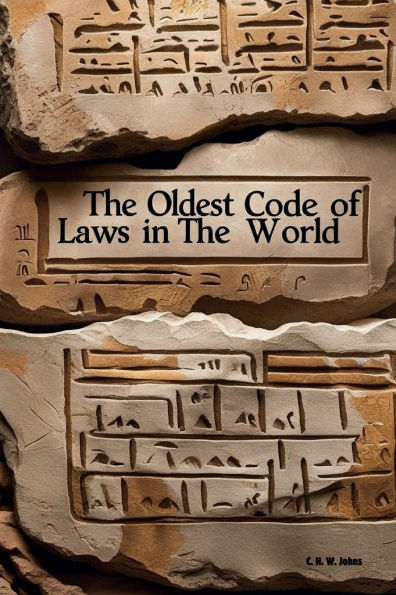
The Oldest Code of Laws in the World
34
9.0
In Stock

Product Details
| ISBN-13: | 9798319654526 |
|---|---|
| Publisher: | Barnes & Noble Press |
| Publication date: | 08/01/2025 |
| Pages: | 34 |
| Product dimensions: | 6.00(w) x 9.00(h) x 0.08(d) |
About the Author
From the B&N Reads Blog