
The Wild East: A Biography of the Great Smoky Mountains, Revised Edition
The Wild East explores the social, political, and environmental changes in the Great Smoky Mountains during the nineteenth and twentieth centuries. Although this national park is most often portrayed as a triumph of wilderness preservation, Margaret Lynn Brown concludes that the largest forested region in the eastern United States is actually a recreated wilderness-a product of restoration and even manipulation of the land.
Several hundred years before white settlement, Cherokees farmed and hunted this land. Between 1910 and 1920, corporate lumbermen built railroads into the region's most remote watersheds and removed more than 60 percent of the old-growth forest. Despite this level of human impact, those who promoted the establishment of a national park in 1934 represented the land as an untouched wilderness and described the people living there as pioneers.
Nearly twenty-five years after the book's first publication, this revised edition discusses current research, citizen science initiatives, and land management practices that are restoring native plants and wildlife populations in the twenty-first century. Margaret Lynn Brown emphasizes the extraordinary treasure that is the Great Smoky Mountains and the importance of continuing to invest in the park's protection for years to come.
1147426829
Several hundred years before white settlement, Cherokees farmed and hunted this land. Between 1910 and 1920, corporate lumbermen built railroads into the region's most remote watersheds and removed more than 60 percent of the old-growth forest. Despite this level of human impact, those who promoted the establishment of a national park in 1934 represented the land as an untouched wilderness and described the people living there as pioneers.
Nearly twenty-five years after the book's first publication, this revised edition discusses current research, citizen science initiatives, and land management practices that are restoring native plants and wildlife populations in the twenty-first century. Margaret Lynn Brown emphasizes the extraordinary treasure that is the Great Smoky Mountains and the importance of continuing to invest in the park's protection for years to come.
The Wild East: A Biography of the Great Smoky Mountains, Revised Edition
The Wild East explores the social, political, and environmental changes in the Great Smoky Mountains during the nineteenth and twentieth centuries. Although this national park is most often portrayed as a triumph of wilderness preservation, Margaret Lynn Brown concludes that the largest forested region in the eastern United States is actually a recreated wilderness-a product of restoration and even manipulation of the land.
Several hundred years before white settlement, Cherokees farmed and hunted this land. Between 1910 and 1920, corporate lumbermen built railroads into the region's most remote watersheds and removed more than 60 percent of the old-growth forest. Despite this level of human impact, those who promoted the establishment of a national park in 1934 represented the land as an untouched wilderness and described the people living there as pioneers.
Nearly twenty-five years after the book's first publication, this revised edition discusses current research, citizen science initiatives, and land management practices that are restoring native plants and wildlife populations in the twenty-first century. Margaret Lynn Brown emphasizes the extraordinary treasure that is the Great Smoky Mountains and the importance of continuing to invest in the park's protection for years to come.
Several hundred years before white settlement, Cherokees farmed and hunted this land. Between 1910 and 1920, corporate lumbermen built railroads into the region's most remote watersheds and removed more than 60 percent of the old-growth forest. Despite this level of human impact, those who promoted the establishment of a national park in 1934 represented the land as an untouched wilderness and described the people living there as pioneers.
Nearly twenty-five years after the book's first publication, this revised edition discusses current research, citizen science initiatives, and land management practices that are restoring native plants and wildlife populations in the twenty-first century. Margaret Lynn Brown emphasizes the extraordinary treasure that is the Great Smoky Mountains and the importance of continuing to invest in the park's protection for years to come.
24.99
In Stock
5
1


The Wild East: A Biography of the Great Smoky Mountains, Revised Edition
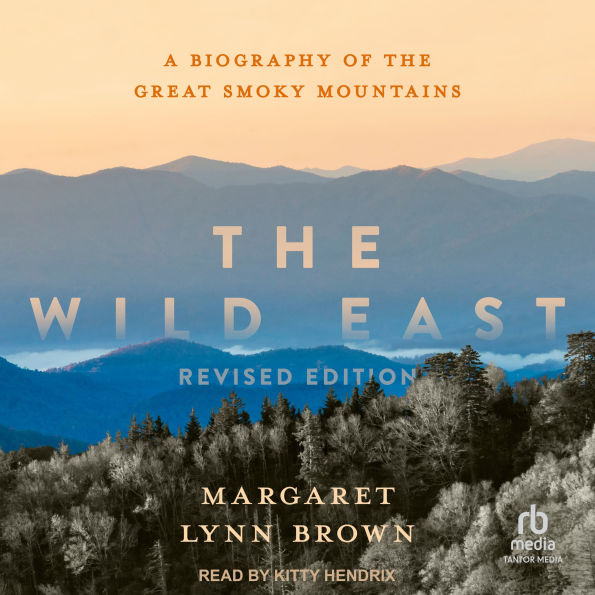
The Wild East: A Biography of the Great Smoky Mountains, Revised Edition
FREE
with a B&N Audiobooks Subscription
Or Pay
$24.99
24.99
In Stock

Product Details
| BN ID: | 2940192983935 |
|---|---|
| Publisher: | Tantor Audio |
| Publication date: | 09/30/2025 |
| Edition description: | Unabridged |
Videos

From the B&N Reads Blog