
9 Lessons I Learned About My Secret Garden by Nancy Friday: Personal Reflection Book on Desire, Taboo, and the Private Fantasies That Shape Us
In 1973, a quiet revolution arrived not in the form of protest or politics, but as a book—a collage of voices, whispers, and confessions. Nancy Friday's My Secret Garden didn't shout. It listened. And by doing so, it unearthed something more provocative than shock: honesty.
At first glance, it seems like a mere anthology of female sexual fantasies. A catalog of daydreams and secret desires. But the more one reads, the more it becomes clear that My Secret Garden is not just about sex.
It is about power. It is about shame. It is about memory, trauma, and play. It is about the private theater we all carry in our heads, rehearsing scenes no one else may ever see.
The cultural context matters. In the early 1970s, the notion that women had rich, imaginative, and sometimes dark sexual inner lives was not just taboo—it was, in some circles, considered implausible.
Women, the argument went, were the receivers of desire, not its authors. They were romantic, emotional, perhaps sensual—but not wild. Not perverse. Not inventive. And certainly not capable of conjuring elaborate scenarios involving domination, strangers, or subversion.
1147952836
At first glance, it seems like a mere anthology of female sexual fantasies. A catalog of daydreams and secret desires. But the more one reads, the more it becomes clear that My Secret Garden is not just about sex.
It is about power. It is about shame. It is about memory, trauma, and play. It is about the private theater we all carry in our heads, rehearsing scenes no one else may ever see.
The cultural context matters. In the early 1970s, the notion that women had rich, imaginative, and sometimes dark sexual inner lives was not just taboo—it was, in some circles, considered implausible.
Women, the argument went, were the receivers of desire, not its authors. They were romantic, emotional, perhaps sensual—but not wild. Not perverse. Not inventive. And certainly not capable of conjuring elaborate scenarios involving domination, strangers, or subversion.
9 Lessons I Learned About My Secret Garden by Nancy Friday: Personal Reflection Book on Desire, Taboo, and the Private Fantasies That Shape Us
In 1973, a quiet revolution arrived not in the form of protest or politics, but as a book—a collage of voices, whispers, and confessions. Nancy Friday's My Secret Garden didn't shout. It listened. And by doing so, it unearthed something more provocative than shock: honesty.
At first glance, it seems like a mere anthology of female sexual fantasies. A catalog of daydreams and secret desires. But the more one reads, the more it becomes clear that My Secret Garden is not just about sex.
It is about power. It is about shame. It is about memory, trauma, and play. It is about the private theater we all carry in our heads, rehearsing scenes no one else may ever see.
The cultural context matters. In the early 1970s, the notion that women had rich, imaginative, and sometimes dark sexual inner lives was not just taboo—it was, in some circles, considered implausible.
Women, the argument went, were the receivers of desire, not its authors. They were romantic, emotional, perhaps sensual—but not wild. Not perverse. Not inventive. And certainly not capable of conjuring elaborate scenarios involving domination, strangers, or subversion.
At first glance, it seems like a mere anthology of female sexual fantasies. A catalog of daydreams and secret desires. But the more one reads, the more it becomes clear that My Secret Garden is not just about sex.
It is about power. It is about shame. It is about memory, trauma, and play. It is about the private theater we all carry in our heads, rehearsing scenes no one else may ever see.
The cultural context matters. In the early 1970s, the notion that women had rich, imaginative, and sometimes dark sexual inner lives was not just taboo—it was, in some circles, considered implausible.
Women, the argument went, were the receivers of desire, not its authors. They were romantic, emotional, perhaps sensual—but not wild. Not perverse. Not inventive. And certainly not capable of conjuring elaborate scenarios involving domination, strangers, or subversion.
2.99
In Stock
5
1
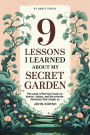

9 Lessons I Learned About My Secret Garden by Nancy Friday: Personal Reflection Book on Desire, Taboo, and the Private Fantasies That Shape Us

9 Lessons I Learned About My Secret Garden by Nancy Friday: Personal Reflection Book on Desire, Taboo, and the Private Fantasies That Shape Us
eBook
$2.99
Related collections and offers
2.99
In Stock

Product Details
| BN ID: | 2940184741369 |
|---|---|
| Publisher: | Digital Products Management |
| Publication date: | 08/04/2025 |
| Sold by: | Barnes & Noble |
| Format: | eBook |
| File size: | 315 KB |
From the B&N Reads Blog