
Ancient India: Living Traditions
Traces the development of Jain, Buddhist, and Hindu religious imagery in Ancient India, highlighting symbolic to human forms between 100 BCE and 600 CE.
Ancient India was a dynamic; cosmopolitan centre of creativity. The visual traditions of its major indigenous religions were closely interrelated; reflecting political power; changes in peoples’ daily lives and artistic innovation. Exported beyond the Indian subcontinent in antiquity; these three major religions – Jainism; Buddhism and Hinduism – are living traditions and their devotional works of art impact on the daily life of billions of people across the world.
This major new publication traces the development of religious imagery from around 100 BCE; when it focused on the depiction of nature spirits; to 600 CE; by which time devotional illustrations of Jain; Buddhist and Hindu deities and teachers had taken definitive shape. Moving from symbolic to human form; such imagery employed attributes; divine attendants and animal vehicles that we still recognise today and are found across the global diaspora. Examples of these ancient illustrations are found not only across South Asia; but also in Central and Southeast Asia; China and Japan – and they transformed the religious landscape of these regions too.
The authors explore fascinating topics such as the first devotional illustrations of the twenty-four jinas (enlightened Jain teachers); the transformation from symbolic depictions of the Buddha to those that showed him in bodily form for the first time; and the formalisation of divine representations and devotional sculpture in Hindu traditions. This beautifully illustrated book reveals the ancient roots of the illustrations and depictions of these world religions that many will find familiar today.
1147013944
Ancient India was a dynamic; cosmopolitan centre of creativity. The visual traditions of its major indigenous religions were closely interrelated; reflecting political power; changes in peoples’ daily lives and artistic innovation. Exported beyond the Indian subcontinent in antiquity; these three major religions – Jainism; Buddhism and Hinduism – are living traditions and their devotional works of art impact on the daily life of billions of people across the world.
This major new publication traces the development of religious imagery from around 100 BCE; when it focused on the depiction of nature spirits; to 600 CE; by which time devotional illustrations of Jain; Buddhist and Hindu deities and teachers had taken definitive shape. Moving from symbolic to human form; such imagery employed attributes; divine attendants and animal vehicles that we still recognise today and are found across the global diaspora. Examples of these ancient illustrations are found not only across South Asia; but also in Central and Southeast Asia; China and Japan – and they transformed the religious landscape of these regions too.
The authors explore fascinating topics such as the first devotional illustrations of the twenty-four jinas (enlightened Jain teachers); the transformation from symbolic depictions of the Buddha to those that showed him in bodily form for the first time; and the formalisation of divine representations and devotional sculpture in Hindu traditions. This beautifully illustrated book reveals the ancient roots of the illustrations and depictions of these world religions that many will find familiar today.
Ancient India: Living Traditions
Traces the development of Jain, Buddhist, and Hindu religious imagery in Ancient India, highlighting symbolic to human forms between 100 BCE and 600 CE.
Ancient India was a dynamic; cosmopolitan centre of creativity. The visual traditions of its major indigenous religions were closely interrelated; reflecting political power; changes in peoples’ daily lives and artistic innovation. Exported beyond the Indian subcontinent in antiquity; these three major religions – Jainism; Buddhism and Hinduism – are living traditions and their devotional works of art impact on the daily life of billions of people across the world.
This major new publication traces the development of religious imagery from around 100 BCE; when it focused on the depiction of nature spirits; to 600 CE; by which time devotional illustrations of Jain; Buddhist and Hindu deities and teachers had taken definitive shape. Moving from symbolic to human form; such imagery employed attributes; divine attendants and animal vehicles that we still recognise today and are found across the global diaspora. Examples of these ancient illustrations are found not only across South Asia; but also in Central and Southeast Asia; China and Japan – and they transformed the religious landscape of these regions too.
The authors explore fascinating topics such as the first devotional illustrations of the twenty-four jinas (enlightened Jain teachers); the transformation from symbolic depictions of the Buddha to those that showed him in bodily form for the first time; and the formalisation of divine representations and devotional sculpture in Hindu traditions. This beautifully illustrated book reveals the ancient roots of the illustrations and depictions of these world religions that many will find familiar today.
Ancient India was a dynamic; cosmopolitan centre of creativity. The visual traditions of its major indigenous religions were closely interrelated; reflecting political power; changes in peoples’ daily lives and artistic innovation. Exported beyond the Indian subcontinent in antiquity; these three major religions – Jainism; Buddhism and Hinduism – are living traditions and their devotional works of art impact on the daily life of billions of people across the world.
This major new publication traces the development of religious imagery from around 100 BCE; when it focused on the depiction of nature spirits; to 600 CE; by which time devotional illustrations of Jain; Buddhist and Hindu deities and teachers had taken definitive shape. Moving from symbolic to human form; such imagery employed attributes; divine attendants and animal vehicles that we still recognise today and are found across the global diaspora. Examples of these ancient illustrations are found not only across South Asia; but also in Central and Southeast Asia; China and Japan – and they transformed the religious landscape of these regions too.
The authors explore fascinating topics such as the first devotional illustrations of the twenty-four jinas (enlightened Jain teachers); the transformation from symbolic depictions of the Buddha to those that showed him in bodily form for the first time; and the formalisation of divine representations and devotional sculpture in Hindu traditions. This beautifully illustrated book reveals the ancient roots of the illustrations and depictions of these world religions that many will find familiar today.
67.5
In Stock
5
1


Ancient India: Living Traditions
312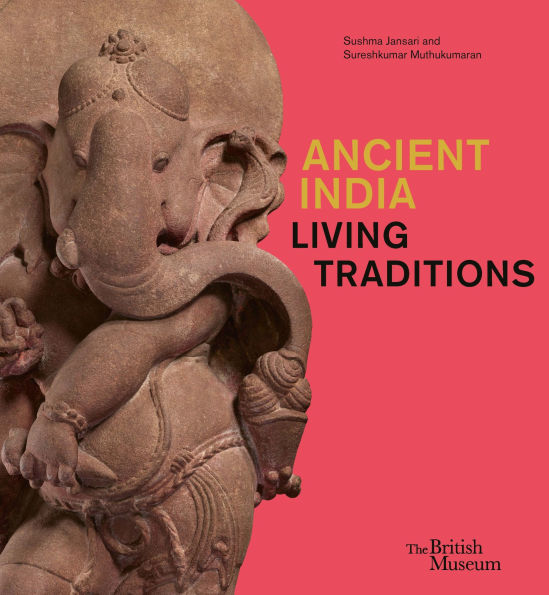
Ancient India: Living Traditions
312Hardcover
$67.50
67.5
In Stock

Product Details
| ISBN-13: | 9780714124995 |
|---|---|
| Publisher: | British Museum Press |
| Publication date: | 07/22/2025 |
| Pages: | 312 |
| Product dimensions: | 9.00(w) x 9.80(h) x (d) |
About the Author
From the B&N Reads Blog