
How the Brain Influences Behavior: Strategies for Managing K?12 Classrooms
Combining theory and practice, David A. Sousa helps educators understand what is happening in the brains of students with behavior problems and offers practical, effective intervention strategies compatible with current findings in neuroscience.
In easy-to-understand language, the author presents current information on brain development and function and highlights factors that affect social and emotional decision-making and negative behaviors like impulsivity, defiance, and violence. Comprehensive yet concise, this guide for K–12 teachers and counselors provides methods for teaching self-control and fostering positive relationships with troubled students and provides case studies that match effective strategies with specific behaviors.
Educators will find answers to critical questions such as:
How does the rate of brain development explain erratic behavior of adolescents?
What type of data collection can help teachers manage misbehavior?
Can peer influence help curb misbehavior rather than encourage it?
Why are boys more likely to misbehave than girls and what can teachers do about it?
How do school and classroom climates affect student behavior?
This invaluable handbook also features reproducible forms, worksheets, checklists, additional references, and an expanded list of primary research sources to help teachers understand and apply research-based principles for classroom and behavior management.
1120009662
In easy-to-understand language, the author presents current information on brain development and function and highlights factors that affect social and emotional decision-making and negative behaviors like impulsivity, defiance, and violence. Comprehensive yet concise, this guide for K–12 teachers and counselors provides methods for teaching self-control and fostering positive relationships with troubled students and provides case studies that match effective strategies with specific behaviors.
Educators will find answers to critical questions such as:
How does the rate of brain development explain erratic behavior of adolescents?
What type of data collection can help teachers manage misbehavior?
Can peer influence help curb misbehavior rather than encourage it?
Why are boys more likely to misbehave than girls and what can teachers do about it?
How do school and classroom climates affect student behavior?
This invaluable handbook also features reproducible forms, worksheets, checklists, additional references, and an expanded list of primary research sources to help teachers understand and apply research-based principles for classroom and behavior management.
How the Brain Influences Behavior: Strategies for Managing K?12 Classrooms
Combining theory and practice, David A. Sousa helps educators understand what is happening in the brains of students with behavior problems and offers practical, effective intervention strategies compatible with current findings in neuroscience.
In easy-to-understand language, the author presents current information on brain development and function and highlights factors that affect social and emotional decision-making and negative behaviors like impulsivity, defiance, and violence. Comprehensive yet concise, this guide for K–12 teachers and counselors provides methods for teaching self-control and fostering positive relationships with troubled students and provides case studies that match effective strategies with specific behaviors.
Educators will find answers to critical questions such as:
How does the rate of brain development explain erratic behavior of adolescents?
What type of data collection can help teachers manage misbehavior?
Can peer influence help curb misbehavior rather than encourage it?
Why are boys more likely to misbehave than girls and what can teachers do about it?
How do school and classroom climates affect student behavior?
This invaluable handbook also features reproducible forms, worksheets, checklists, additional references, and an expanded list of primary research sources to help teachers understand and apply research-based principles for classroom and behavior management.
In easy-to-understand language, the author presents current information on brain development and function and highlights factors that affect social and emotional decision-making and negative behaviors like impulsivity, defiance, and violence. Comprehensive yet concise, this guide for K–12 teachers and counselors provides methods for teaching self-control and fostering positive relationships with troubled students and provides case studies that match effective strategies with specific behaviors.
Educators will find answers to critical questions such as:
How does the rate of brain development explain erratic behavior of adolescents?
What type of data collection can help teachers manage misbehavior?
Can peer influence help curb misbehavior rather than encourage it?
Why are boys more likely to misbehave than girls and what can teachers do about it?
How do school and classroom climates affect student behavior?
This invaluable handbook also features reproducible forms, worksheets, checklists, additional references, and an expanded list of primary research sources to help teachers understand and apply research-based principles for classroom and behavior management.
12.99
In Stock
5
1

How the Brain Influences Behavior: Strategies for Managing K?12 Classrooms
264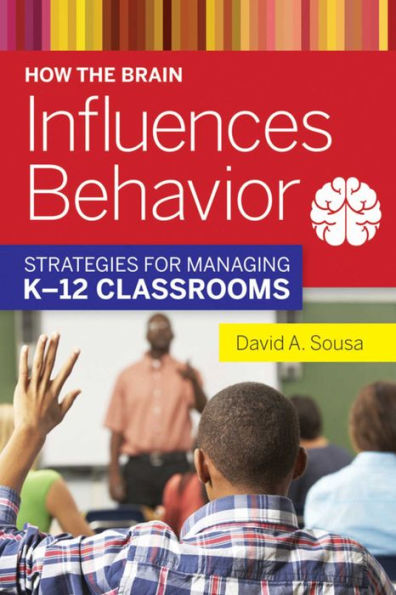
How the Brain Influences Behavior: Strategies for Managing K?12 Classrooms
264
12.99
In Stock

Product Details
| ISBN-13: | 9781632209283 |
|---|---|
| Publisher: | Skyhorse |
| Publication date: | 03/10/2015 |
| Sold by: | SIMON & SCHUSTER |
| Format: | eBook |
| Pages: | 264 |
| File size: | 5 MB |
About the Author
From the B&N Reads Blog