
Why do the arts matter so much in rural areas? The arts are needed now more than ever to heal the social fabric, grow the population, drive the local economy and, in some cases, replace lost industries. Post-pandemic, a significant portion of the population hungers for hands-on, in-person arts experiences at a human scale. At the same time, rural areas are ripe with innovation, community connections, and an entrepreneurial spirit that fits well with creativity and arts-based community engagement. As rural areas continue to evolve past their previous ties to agriculture, industry, and mining, the arts offer new ways to enrich communities, spark local economies, and create tourist destinations, in tandem with their glorious surroundings.
One goal of this book is to help dispel the myth of rural equaling white people. Six of the twelve arts organizations featured in this book are led by people of color and/or serve populations in which people of color are the majority. Eleven of the twelve organizations are led in part or entirely by female-identifying arts leaders. These numbers are happy accidents and not criteria of the selection or search process. It just turns out that, when you start looking for wonderful rural arts organizations, you find diversity.
Managing the Arts in Rural Areas explores the challenges facing rural communities today and the positive impacts provided by the arts on economic development, diversity, equity, inclusion and access, fundraising, arts education, and community development. With dynamic case studies on arts organizations in rural areas from Alaska to Alabama and from Montana to Arizona, Managing the Arts in Rural Areas gives readers deep insights into how the arts are helping to define and grow rural areas today.
1142951544
One goal of this book is to help dispel the myth of rural equaling white people. Six of the twelve arts organizations featured in this book are led by people of color and/or serve populations in which people of color are the majority. Eleven of the twelve organizations are led in part or entirely by female-identifying arts leaders. These numbers are happy accidents and not criteria of the selection or search process. It just turns out that, when you start looking for wonderful rural arts organizations, you find diversity.
Managing the Arts in Rural Areas explores the challenges facing rural communities today and the positive impacts provided by the arts on economic development, diversity, equity, inclusion and access, fundraising, arts education, and community development. With dynamic case studies on arts organizations in rural areas from Alaska to Alabama and from Montana to Arizona, Managing the Arts in Rural Areas gives readers deep insights into how the arts are helping to define and grow rural areas today.
Managing the Arts in Rural Areas
Why do the arts matter so much in rural areas? The arts are needed now more than ever to heal the social fabric, grow the population, drive the local economy and, in some cases, replace lost industries. Post-pandemic, a significant portion of the population hungers for hands-on, in-person arts experiences at a human scale. At the same time, rural areas are ripe with innovation, community connections, and an entrepreneurial spirit that fits well with creativity and arts-based community engagement. As rural areas continue to evolve past their previous ties to agriculture, industry, and mining, the arts offer new ways to enrich communities, spark local economies, and create tourist destinations, in tandem with their glorious surroundings.
One goal of this book is to help dispel the myth of rural equaling white people. Six of the twelve arts organizations featured in this book are led by people of color and/or serve populations in which people of color are the majority. Eleven of the twelve organizations are led in part or entirely by female-identifying arts leaders. These numbers are happy accidents and not criteria of the selection or search process. It just turns out that, when you start looking for wonderful rural arts organizations, you find diversity.
Managing the Arts in Rural Areas explores the challenges facing rural communities today and the positive impacts provided by the arts on economic development, diversity, equity, inclusion and access, fundraising, arts education, and community development. With dynamic case studies on arts organizations in rural areas from Alaska to Alabama and from Montana to Arizona, Managing the Arts in Rural Areas gives readers deep insights into how the arts are helping to define and grow rural areas today.
One goal of this book is to help dispel the myth of rural equaling white people. Six of the twelve arts organizations featured in this book are led by people of color and/or serve populations in which people of color are the majority. Eleven of the twelve organizations are led in part or entirely by female-identifying arts leaders. These numbers are happy accidents and not criteria of the selection or search process. It just turns out that, when you start looking for wonderful rural arts organizations, you find diversity.
Managing the Arts in Rural Areas explores the challenges facing rural communities today and the positive impacts provided by the arts on economic development, diversity, equity, inclusion and access, fundraising, arts education, and community development. With dynamic case studies on arts organizations in rural areas from Alaska to Alabama and from Montana to Arizona, Managing the Arts in Rural Areas gives readers deep insights into how the arts are helping to define and grow rural areas today.
49.5
In Stock
5
1

Managing the Arts in Rural Areas
194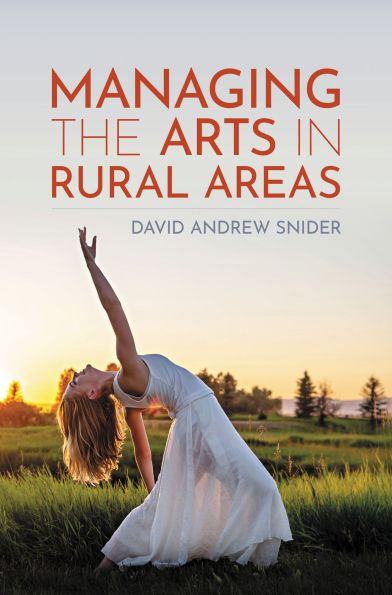
Managing the Arts in Rural Areas
194Related collections and offers
49.5
In Stock

Product Details
| ISBN-13: | 9781538177563 |
|---|---|
| Publisher: | Bloomsbury Publishing |
| Publication date: | 05/15/2023 |
| Sold by: | Barnes & Noble |
| Format: | eBook |
| Pages: | 194 |
| File size: | 5 MB |
About the Author
From the B&N Reads Blog