
Mono no Aware and Gender as Affect in Japanese Aesthetics and American Pragmatism places the naturalistic pragmatism of John Dewey in conversation with Motoori Norinaga’s mono no aware, a Japanese aesthetic theory of experience, to examine gender as a felt experience of an aware, or an affective quality of persons. By treating gender as an affect, Johnathan Charles Flowers argues that the experience of gendering and being gendered is a result of the affective perception of the organization of the body in line with cultural aesthetics embodied in Deweyan habit or Japanese kata broadly understood as culturally mediated transactions with the world. On this view, how the felt sense of identity aligns with the affective organization of society determines the nature of the possible social transactions between individuals. As such, this book intervenes in questions of personhood broadly—and identity specifically—by treating personhood itself as an affective sense. In doing so, this book demonstrates how questions of personhood and identity are themselves affective judgments. By treating gender and other identities as aware, this book advocates an expanded recognition of the how to be in the world through cultivating new ways of perceiving the affective organization of persons.
1142890926
Mono no Aware and Gender as Affect in Japanese Aesthetics and American Pragmatism
Mono no Aware and Gender as Affect in Japanese Aesthetics and American Pragmatism places the naturalistic pragmatism of John Dewey in conversation with Motoori Norinaga’s mono no aware, a Japanese aesthetic theory of experience, to examine gender as a felt experience of an aware, or an affective quality of persons. By treating gender as an affect, Johnathan Charles Flowers argues that the experience of gendering and being gendered is a result of the affective perception of the organization of the body in line with cultural aesthetics embodied in Deweyan habit or Japanese kata broadly understood as culturally mediated transactions with the world. On this view, how the felt sense of identity aligns with the affective organization of society determines the nature of the possible social transactions between individuals. As such, this book intervenes in questions of personhood broadly—and identity specifically—by treating personhood itself as an affective sense. In doing so, this book demonstrates how questions of personhood and identity are themselves affective judgments. By treating gender and other identities as aware, this book advocates an expanded recognition of the how to be in the world through cultivating new ways of perceiving the affective organization of persons.
112.5
In Stock
5
1


Mono no Aware and Gender as Affect in Japanese Aesthetics and American Pragmatism
414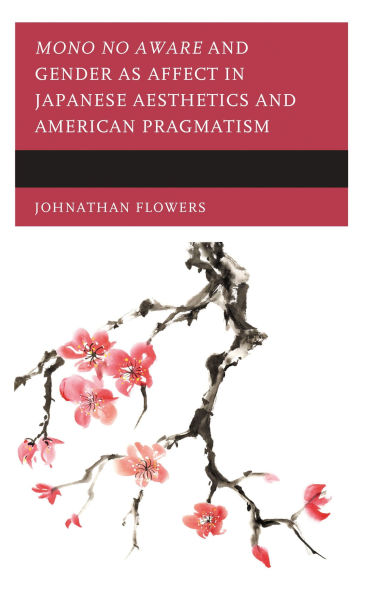
Mono no Aware and Gender as Affect in Japanese Aesthetics and American Pragmatism
414Related collections and offers
112.5
In Stock

Product Details
| ISBN-13: | 9781793626714 |
|---|---|
| Publisher: | Bloomsbury Publishing |
| Publication date: | 03/20/2023 |
| Sold by: | Barnes & Noble |
| Format: | eBook |
| Pages: | 414 |
| File size: | 522 KB |
About the Author
From the B&N Reads Blog