
Poverty, Disadvantage, and the Promise of Enterprise: A Capabilities Perspective
Can entrepreneurship serve as a pathway out of poverty? Are the poor able to create ventures that can improve their economic circumstances and enhance their lives? Poverty, Disadvantage and the Promise of Enterprise: A Capabilities Perspective argue that “it depends”. To understand the poverty and entrepreneurship interface, we must first understand poverty. Using a lens of disadvantage theory and the capabilities framework, the book explores the implications of poverty’s complex, multi-dimensional nature when one is trying to start and grow a business. Four key liabilities directly impact the opportunities these individuals are able to recognize, the types of ventures they create, how the businesses perform, and the impacts on the well-being of the entrepreneur. Because of these liabilities, these ventures tend to fall into what the authors call the commodity trap, where they struggle with low sales volumes and marginal profits. However, the trap is avoidable, and, with the right kinds of support, the performance of these ventures can be meaningfully improved. Key design elements of a successful intervention approach, together with an alternative perspective on the roles of community-based entrepreneurial ecosystems and public policy, are introduced. Emphasis is also placed on the critical roles of faith, hustle, and the fears of both failure and success.
1145396757
Poverty, Disadvantage, and the Promise of Enterprise: A Capabilities Perspective
Can entrepreneurship serve as a pathway out of poverty? Are the poor able to create ventures that can improve their economic circumstances and enhance their lives? Poverty, Disadvantage and the Promise of Enterprise: A Capabilities Perspective argue that “it depends”. To understand the poverty and entrepreneurship interface, we must first understand poverty. Using a lens of disadvantage theory and the capabilities framework, the book explores the implications of poverty’s complex, multi-dimensional nature when one is trying to start and grow a business. Four key liabilities directly impact the opportunities these individuals are able to recognize, the types of ventures they create, how the businesses perform, and the impacts on the well-being of the entrepreneur. Because of these liabilities, these ventures tend to fall into what the authors call the commodity trap, where they struggle with low sales volumes and marginal profits. However, the trap is avoidable, and, with the right kinds of support, the performance of these ventures can be meaningfully improved. Key design elements of a successful intervention approach, together with an alternative perspective on the roles of community-based entrepreneurial ecosystems and public policy, are introduced. Emphasis is also placed on the critical roles of faith, hustle, and the fears of both failure and success.
115.0
Out Of Stock
5
1


Poverty, Disadvantage, and the Promise of Enterprise: A Capabilities Perspective
280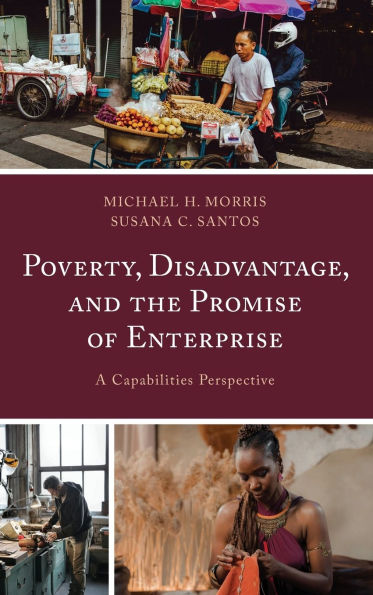
Poverty, Disadvantage, and the Promise of Enterprise: A Capabilities Perspective
280Related collections and offers
115.0
Out Of Stock

Product Details
| ISBN-13: | 9781666933802 |
|---|---|
| Publisher: | Bloomsbury Academic |
| Publication date: | 08/22/2024 |
| Pages: | 280 |
| Product dimensions: | 6.00(w) x 9.00(h) x 0.75(d) |
About the Author
From the B&N Reads Blog