
Reading Lolita in Tehran: A Memoir in Books
#1 NEW YORK TIMES BESTSELLER • We all have dreams—things we fantasize about doing and generally never get around to. This is the story of Azar Nafisi’s dream and of the nightmare that made it come true.
A KIRKUS REVIEWS BEST NONFICTION BOOK OF THE CENTURY
For two years before she left Iran in 1997, Nafisi gathered seven young women at her house every Thursday morning to read and discuss forbidden works of Western literature. They were all former students whom she had taught at university. Some came from conservative and religious families, others were progressive and secular; several had spent time in jail. They were shy and uncomfortable at first, unaccustomed to being asked to speak their minds, but soon they began to open up and to speak more freely, not only about the novels they were reading but also about themselves, their dreams and disappointments. Their stories intertwined with those they were reading—Pride and Prejudice, Washington Square, Daisy Miller and Lolita—their Lolita, as they imagined her in Tehran.
Nafisi’s account flashes back to the early days of the revolution, when she first started teaching at the University of Tehran amid the swirl of protests and demonstrations. In those frenetic days, the students took control of the university, expelled faculty members and purged the curriculum. When a radical Islamist in Nafisi’s class questioned her decision to teach The Great Gatsby, which he saw as an immoral work that preached falsehoods of “the Great Satan,” she decided to let him put Gatsby on trial and stood as the sole witness for the defense.
Azar Nafisi’s luminous tale offers a fascinating portrait of the Iran-Iraq war viewed from Tehran and gives us a rare glimpse, from the inside, of women’s lives in revolutionary Iran. It is a work of great passion and poetic beauty, written with a startlingly original voice.
1101115524
A KIRKUS REVIEWS BEST NONFICTION BOOK OF THE CENTURY
For two years before she left Iran in 1997, Nafisi gathered seven young women at her house every Thursday morning to read and discuss forbidden works of Western literature. They were all former students whom she had taught at university. Some came from conservative and religious families, others were progressive and secular; several had spent time in jail. They were shy and uncomfortable at first, unaccustomed to being asked to speak their minds, but soon they began to open up and to speak more freely, not only about the novels they were reading but also about themselves, their dreams and disappointments. Their stories intertwined with those they were reading—Pride and Prejudice, Washington Square, Daisy Miller and Lolita—their Lolita, as they imagined her in Tehran.
Nafisi’s account flashes back to the early days of the revolution, when she first started teaching at the University of Tehran amid the swirl of protests and demonstrations. In those frenetic days, the students took control of the university, expelled faculty members and purged the curriculum. When a radical Islamist in Nafisi’s class questioned her decision to teach The Great Gatsby, which he saw as an immoral work that preached falsehoods of “the Great Satan,” she decided to let him put Gatsby on trial and stood as the sole witness for the defense.
Azar Nafisi’s luminous tale offers a fascinating portrait of the Iran-Iraq war viewed from Tehran and gives us a rare glimpse, from the inside, of women’s lives in revolutionary Iran. It is a work of great passion and poetic beauty, written with a startlingly original voice.
Reading Lolita in Tehran: A Memoir in Books
#1 NEW YORK TIMES BESTSELLER • We all have dreams—things we fantasize about doing and generally never get around to. This is the story of Azar Nafisi’s dream and of the nightmare that made it come true.
A KIRKUS REVIEWS BEST NONFICTION BOOK OF THE CENTURY
For two years before she left Iran in 1997, Nafisi gathered seven young women at her house every Thursday morning to read and discuss forbidden works of Western literature. They were all former students whom she had taught at university. Some came from conservative and religious families, others were progressive and secular; several had spent time in jail. They were shy and uncomfortable at first, unaccustomed to being asked to speak their minds, but soon they began to open up and to speak more freely, not only about the novels they were reading but also about themselves, their dreams and disappointments. Their stories intertwined with those they were reading—Pride and Prejudice, Washington Square, Daisy Miller and Lolita—their Lolita, as they imagined her in Tehran.
Nafisi’s account flashes back to the early days of the revolution, when she first started teaching at the University of Tehran amid the swirl of protests and demonstrations. In those frenetic days, the students took control of the university, expelled faculty members and purged the curriculum. When a radical Islamist in Nafisi’s class questioned her decision to teach The Great Gatsby, which he saw as an immoral work that preached falsehoods of “the Great Satan,” she decided to let him put Gatsby on trial and stood as the sole witness for the defense.
Azar Nafisi’s luminous tale offers a fascinating portrait of the Iran-Iraq war viewed from Tehran and gives us a rare glimpse, from the inside, of women’s lives in revolutionary Iran. It is a work of great passion and poetic beauty, written with a startlingly original voice.
A KIRKUS REVIEWS BEST NONFICTION BOOK OF THE CENTURY
For two years before she left Iran in 1997, Nafisi gathered seven young women at her house every Thursday morning to read and discuss forbidden works of Western literature. They were all former students whom she had taught at university. Some came from conservative and religious families, others were progressive and secular; several had spent time in jail. They were shy and uncomfortable at first, unaccustomed to being asked to speak their minds, but soon they began to open up and to speak more freely, not only about the novels they were reading but also about themselves, their dreams and disappointments. Their stories intertwined with those they were reading—Pride and Prejudice, Washington Square, Daisy Miller and Lolita—their Lolita, as they imagined her in Tehran.
Nafisi’s account flashes back to the early days of the revolution, when she first started teaching at the University of Tehran amid the swirl of protests and demonstrations. In those frenetic days, the students took control of the university, expelled faculty members and purged the curriculum. When a radical Islamist in Nafisi’s class questioned her decision to teach The Great Gatsby, which he saw as an immoral work that preached falsehoods of “the Great Satan,” she decided to let him put Gatsby on trial and stood as the sole witness for the defense.
Azar Nafisi’s luminous tale offers a fascinating portrait of the Iran-Iraq war viewed from Tehran and gives us a rare glimpse, from the inside, of women’s lives in revolutionary Iran. It is a work of great passion and poetic beauty, written with a startlingly original voice.
22.0
In Stock
5
1

Reading Lolita in Tehran: A Memoir in Books
384

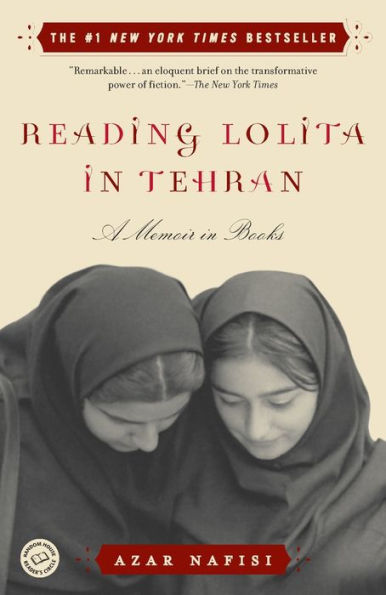
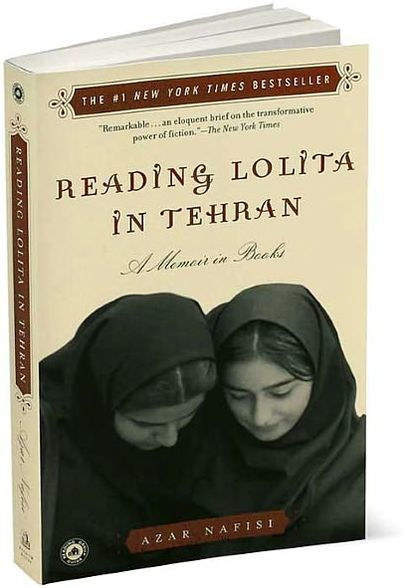
Reading Lolita in Tehran: A Memoir in Books
384Paperback(Reprint)
$22.00
22.0
In Stock

Product Details
| ISBN-13: | 9780812971064 |
|---|---|
| Publisher: | Random House Publishing Group |
| Publication date: | 12/30/2003 |
| Edition description: | Reprint |
| Pages: | 384 |
| Product dimensions: | 5.10(w) x 7.90(h) x 1.00(d) |
| Age Range: | 14 - 18 Years |
About the Author

From the B&N Reads Blog