
Urban Development in the Greater Mekong Subregion
This publication about the urban agenda in the Greater Mekong Subregion (GMS) is timely as the world economy embraces the region with accelerated growth. An important element of the Association of Southeast Asian Nations Economic Community, the GMS is expected to catch up with the rest of Asia by 2050. With urbanization levels still averaging about 30%, gross domestic product contributions of towns and cities have moved ahead to 50%–60%. By 2050, when urban areas in the GMS reach 64%–74%, urban gross domestic product will grow to an estimated 70%–80%. The challenge lies in consolidating and deepening development along the existing corridors and improving the environmental conditions to prepare for future green growth developments.
1129652181
Urban Development in the Greater Mekong Subregion
This publication about the urban agenda in the Greater Mekong Subregion (GMS) is timely as the world economy embraces the region with accelerated growth. An important element of the Association of Southeast Asian Nations Economic Community, the GMS is expected to catch up with the rest of Asia by 2050. With urbanization levels still averaging about 30%, gross domestic product contributions of towns and cities have moved ahead to 50%–60%. By 2050, when urban areas in the GMS reach 64%–74%, urban gross domestic product will grow to an estimated 70%–80%. The challenge lies in consolidating and deepening development along the existing corridors and improving the environmental conditions to prepare for future green growth developments.
5.99
In Stock
5
1

Urban Development in the Greater Mekong Subregion
303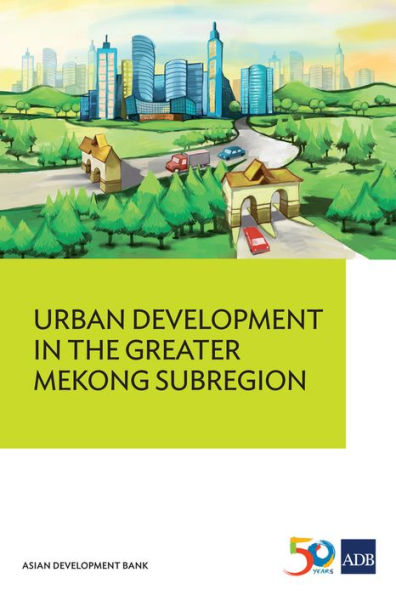
Urban Development in the Greater Mekong Subregion
303
5.99
In Stock

Product Details
| ISBN-13: | 9789292549848 |
|---|---|
| Publisher: | Asian Development Bank |
| Publication date: | 06/01/2016 |
| Sold by: | Barnes & Noble |
| Format: | eBook |
| Pages: | 303 |
| File size: | 21 MB |
| Note: | This product may take a few minutes to download. |
| Age Range: | 18 Years |
From the B&N Reads Blog