
Take your fiction to the next level!
Maybe you're a first-time novelist looking for practical guidance. Maybe you've already been published, but your latest effort is stuck in mid-list limbo. Whatever the case may be, author and literary agent Donald Maass can show you how to take your prose to the next level and write a breakout novel - one that rises out of obscurity and hits the best-seller lists.
Maass details the elements that all breakout novels share - regardless of genre - then shows you writing techniques that can make your own books stand out and succeed in a crowded marketplace.
You'll learn to:
• establish a powerful and sweeping sense of time and place
• weave subplots into the main action for a complex, engrossing story
• create larger-than-life characters that step right off the page
• explore universal themes that will interest a broad audience of readers
• sustain a high degree of narrative tension from start to finish
• develop an inspired premise that sets your novel apart from the competition
Then, using examples from the recent works of several best-selling authors - including novelist Anne Perry - Maass illustrates methods for upping the ante in every aspect of your novel writing. You'll capture the eye of an agent, generate publisher interest and lay the foundation for a promising career.
1102359686
Maybe you're a first-time novelist looking for practical guidance. Maybe you've already been published, but your latest effort is stuck in mid-list limbo. Whatever the case may be, author and literary agent Donald Maass can show you how to take your prose to the next level and write a breakout novel - one that rises out of obscurity and hits the best-seller lists.
Maass details the elements that all breakout novels share - regardless of genre - then shows you writing techniques that can make your own books stand out and succeed in a crowded marketplace.
You'll learn to:
• establish a powerful and sweeping sense of time and place
• weave subplots into the main action for a complex, engrossing story
• create larger-than-life characters that step right off the page
• explore universal themes that will interest a broad audience of readers
• sustain a high degree of narrative tension from start to finish
• develop an inspired premise that sets your novel apart from the competition
Then, using examples from the recent works of several best-selling authors - including novelist Anne Perry - Maass illustrates methods for upping the ante in every aspect of your novel writing. You'll capture the eye of an agent, generate publisher interest and lay the foundation for a promising career.
Writing the Breakout Novel
Take your fiction to the next level!
Maybe you're a first-time novelist looking for practical guidance. Maybe you've already been published, but your latest effort is stuck in mid-list limbo. Whatever the case may be, author and literary agent Donald Maass can show you how to take your prose to the next level and write a breakout novel - one that rises out of obscurity and hits the best-seller lists.
Maass details the elements that all breakout novels share - regardless of genre - then shows you writing techniques that can make your own books stand out and succeed in a crowded marketplace.
You'll learn to:
• establish a powerful and sweeping sense of time and place
• weave subplots into the main action for a complex, engrossing story
• create larger-than-life characters that step right off the page
• explore universal themes that will interest a broad audience of readers
• sustain a high degree of narrative tension from start to finish
• develop an inspired premise that sets your novel apart from the competition
Then, using examples from the recent works of several best-selling authors - including novelist Anne Perry - Maass illustrates methods for upping the ante in every aspect of your novel writing. You'll capture the eye of an agent, generate publisher interest and lay the foundation for a promising career.
Maybe you're a first-time novelist looking for practical guidance. Maybe you've already been published, but your latest effort is stuck in mid-list limbo. Whatever the case may be, author and literary agent Donald Maass can show you how to take your prose to the next level and write a breakout novel - one that rises out of obscurity and hits the best-seller lists.
Maass details the elements that all breakout novels share - regardless of genre - then shows you writing techniques that can make your own books stand out and succeed in a crowded marketplace.
You'll learn to:
• establish a powerful and sweeping sense of time and place
• weave subplots into the main action for a complex, engrossing story
• create larger-than-life characters that step right off the page
• explore universal themes that will interest a broad audience of readers
• sustain a high degree of narrative tension from start to finish
• develop an inspired premise that sets your novel apart from the competition
Then, using examples from the recent works of several best-selling authors - including novelist Anne Perry - Maass illustrates methods for upping the ante in every aspect of your novel writing. You'll capture the eye of an agent, generate publisher interest and lay the foundation for a promising career.
13.99
In Stock
5
1

Writing the Breakout Novel
256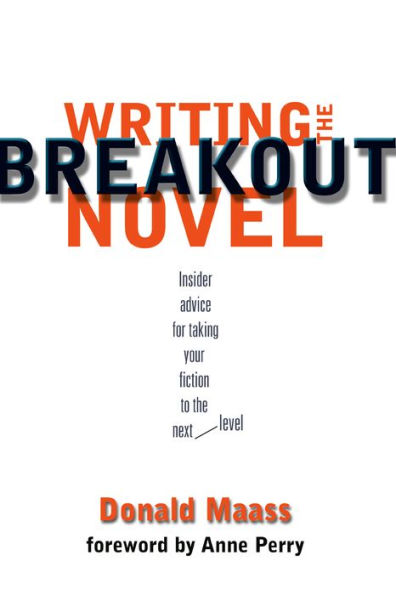
Writing the Breakout Novel
256Related collections and offers
13.99
In Stock

Product Details
| ISBN-13: | 9781599633251 |
|---|---|
| Publisher: | Penguin Publishing Group |
| Publication date: | 08/01/2002 |
| Sold by: | Penguin Group |
| Format: | eBook |
| Pages: | 256 |
| File size: | 715 KB |
From the B&N Reads Blog