
Cornell University English professor William Strunk, Jr. wrote The Elements of Style in 1918 and privately published it in 1919, for in-house use at the university. (Harcourt republished it in 52-page format in 1920.) Later, for publication, he and editor Edward A. Tenney revised it as The Elements and Practice of Composition (1935). In 1957, at The New Yorker, the style guide reached the attention of E.B. White, who had studied writing under Strunk in 1919 but had since forgotten "the little book" that he described as a "forty-three-page summation of the case for cleanliness, accuracy, and brevity in the use of English". Weeks later, White wrote a feature story about Strunk's devotion to lucid English prose.
Macmillan and Company subsequently commissioned White to revise The Elements for a 1959 edition (Strunk had died in 1946). White's expansion and modernization of Strunk and Tenney's 1935 revised edition yielded the writing style manual informally known as "Strunk & White", the first edition of which sold approximately two million copies in 1959. In the ensuing four decades, more than ten million copies of three editions have been sold. Mark Garvey relates the history of this writing manual in Stylized: A Slightly Obsessive History of Strunk & White's The Elements of Style (2009).
Maira Kalman, who provided the illustrations for The Elements of Style Illustrated (2005, see below), asked Nico Muhly to compose a cantata based on the book. It was performed at the New York Public Library in October 2005.
1122943906
Macmillan and Company subsequently commissioned White to revise The Elements for a 1959 edition (Strunk had died in 1946). White's expansion and modernization of Strunk and Tenney's 1935 revised edition yielded the writing style manual informally known as "Strunk & White", the first edition of which sold approximately two million copies in 1959. In the ensuing four decades, more than ten million copies of three editions have been sold. Mark Garvey relates the history of this writing manual in Stylized: A Slightly Obsessive History of Strunk & White's The Elements of Style (2009).
Maira Kalman, who provided the illustrations for The Elements of Style Illustrated (2005, see below), asked Nico Muhly to compose a cantata based on the book. It was performed at the New York Public Library in October 2005.
The Elements of Style
Cornell University English professor William Strunk, Jr. wrote The Elements of Style in 1918 and privately published it in 1919, for in-house use at the university. (Harcourt republished it in 52-page format in 1920.) Later, for publication, he and editor Edward A. Tenney revised it as The Elements and Practice of Composition (1935). In 1957, at The New Yorker, the style guide reached the attention of E.B. White, who had studied writing under Strunk in 1919 but had since forgotten "the little book" that he described as a "forty-three-page summation of the case for cleanliness, accuracy, and brevity in the use of English". Weeks later, White wrote a feature story about Strunk's devotion to lucid English prose.
Macmillan and Company subsequently commissioned White to revise The Elements for a 1959 edition (Strunk had died in 1946). White's expansion and modernization of Strunk and Tenney's 1935 revised edition yielded the writing style manual informally known as "Strunk & White", the first edition of which sold approximately two million copies in 1959. In the ensuing four decades, more than ten million copies of three editions have been sold. Mark Garvey relates the history of this writing manual in Stylized: A Slightly Obsessive History of Strunk & White's The Elements of Style (2009).
Maira Kalman, who provided the illustrations for The Elements of Style Illustrated (2005, see below), asked Nico Muhly to compose a cantata based on the book. It was performed at the New York Public Library in October 2005.
Macmillan and Company subsequently commissioned White to revise The Elements for a 1959 edition (Strunk had died in 1946). White's expansion and modernization of Strunk and Tenney's 1935 revised edition yielded the writing style manual informally known as "Strunk & White", the first edition of which sold approximately two million copies in 1959. In the ensuing four decades, more than ten million copies of three editions have been sold. Mark Garvey relates the history of this writing manual in Stylized: A Slightly Obsessive History of Strunk & White's The Elements of Style (2009).
Maira Kalman, who provided the illustrations for The Elements of Style Illustrated (2005, see below), asked Nico Muhly to compose a cantata based on the book. It was performed at the New York Public Library in October 2005.
8.99
In Stock
5
1

The Elements of Style
111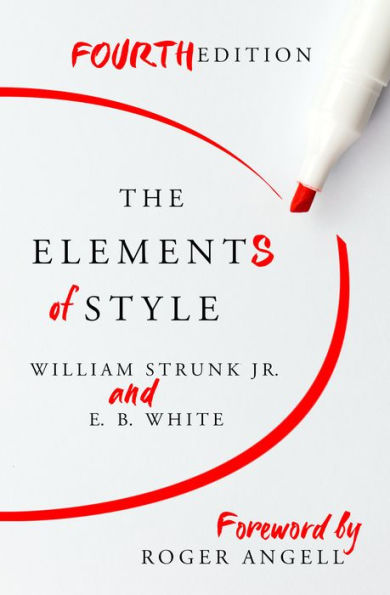
The Elements of Style
111eBook (Digital Original, 4)
$8.99
Related collections and offers
8.99
In Stock

Product Details
| ISBN-13: | 9781504093545 |
|---|---|
| Publisher: | Open Road Media |
| Publication date: | 12/05/2023 |
| Sold by: | OPEN ROAD INTEGRATED - EBKS |
| Format: | eBook |
| Pages: | 111 |
| File size: | 2 MB |
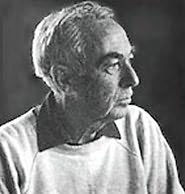
About the Author
From the B&N Reads Blog