Manga 101: A Beginner’s Guide
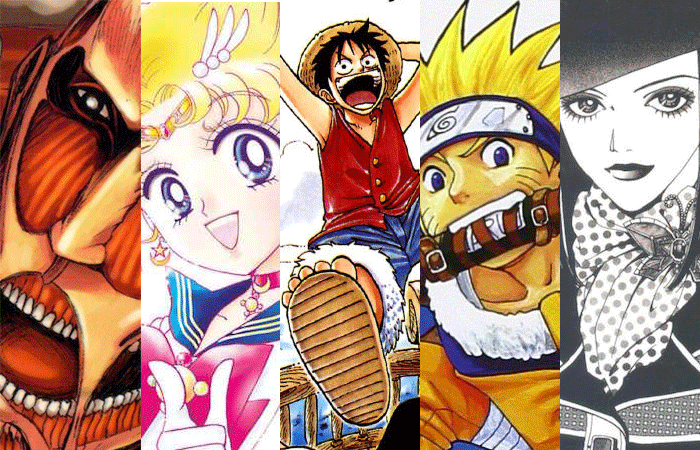 From marauding giants to magical girls, manga has some of the best stories in comics, but it can be a bit intimidating to the newcomer. The books run “backwards,” and the conventions and visual “language” are different from American and European comics (although more and more non-Japanese creators are picking up on manga’s storytelling techniques). On the other hand, they are in some ways more accessible than American superhero comics: following a series is pretty straightforward, as they all begin with a volume 1; most of them end after a finite number of books; and crossovers are rare. What’s more, older series not only stay in print, but often become more affordable as publishers re-release them in omnibus or digital formats.
As a public service to those who want to dive into the world of manga but don’t know where to start, here’s a ten-cent tour of the medium, along with some suggestions for first-time readers—even those who are wary of reading right to left.
English-language readers usually read manga in book form, but in Japan, most series are published a chapter at a time in weekly or monthly magazines, then collected into bound volumes (called tankoubon). That’s why you’ll often see a summary of previous events at the beginning of a chapter or volume, especially early in a series. These magazines are usually geared toward specific audiences, although the readership may be very different outside Japan. Even though these groupings are not as important in other countries, it’s useful to know about them, and manga readers often talk about them as a shorthand description for different types of manga. Here are the four most common types:
Shonen
Manga aimed at teen and tween boys, they often features an unlikely hero whose true talents come to the fore in a series of battles or adventures (as in Naruto, one of the most popular manga of all time) or contests of a skill such as cooking (Food Wars) or the game of Go (Hikaru no Go). Teamwork is often part of the story, and the popularity of series like Attack on Titan and One Piece lies partly with their ensemble casts. As can be seen from these examples, the tone can vary quite a bit, from serious to goofy, and there are also shonen romances, such as Nisekoi: False Love and Your Lie in April. Some good starter series:
Fullmetal Alchemist (3-in-1 Edition), Vol. 1
Paperback $16.99
Fullmetal Alchemist (3-in-1 Edition), Vol. 1
In Stock Online
Paperback $16.99
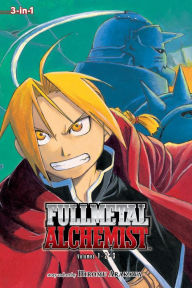
Fullmetal Alchemist, by Hiromu Arakawa
Brothers Edward and Alphonse Alric try to bring their mother back to life using alchemy, but the attempt goes horribly awry, destroying their bodies in the process. The 27-volume series follows their quest for the philosopher’s stone that will make them whole again.
Fullmetal Alchemist, by Hiromu Arakawa
Brothers Edward and Alphonse Alric try to bring their mother back to life using alchemy, but the attempt goes horribly awry, destroying their bodies in the process. The 27-volume series follows their quest for the philosopher’s stone that will make them whole again.
Death Note, Vol. 1

Paperback $11.99
Death Note, Vol. 1
By
Tsugumi Ohba
Artist
Takeshi Obata
In Stock Online
Paperback $11.99
Death Note, by Tsugumi Ohba and Takeshi Obata
When a bored demon decides to mess with humans by dropping his notebook, teenager Light Yagami takes the bait. The owner of the notebook can bring instant death to anyone by writing down their name, and Light uses it to rid the world of criminals—but when the police bring in a quirky investigator to track down the source of the killings, the story turns into a cat-and-mouse game.
Death Note, by Tsugumi Ohba and Takeshi Obata
When a bored demon decides to mess with humans by dropping his notebook, teenager Light Yagami takes the bait. The owner of the notebook can bring instant death to anyone by writing down their name, and Light uses it to rid the world of criminals—but when the police bring in a quirky investigator to track down the source of the killings, the story turns into a cat-and-mouse game.
Attack on Titan, Volume 1

Paperback $10.99
Attack on Titan, Volume 1
In Stock Online
Paperback $10.99
Attack on Titan, by Hajime Isayama
I’m recommending this with a caveat: the story is great, but the art is a bit rough, especially in the early volumes. It gets better as the series goes on, and as I explained in an earlier post, this fast-paced story about teenagers fighting man-eating giants has strong characters and plenty of twists, making it a gripping read.
Attack on Titan, by Hajime Isayama
I’m recommending this with a caveat: the story is great, but the art is a bit rough, especially in the early volumes. It gets better as the series goes on, and as I explained in an earlier post, this fast-paced story about teenagers fighting man-eating giants has strong characters and plenty of twists, making it a gripping read.
Nisekoi: False Love, Volume 1: The Promise

Paperback $9.99
Nisekoi: False Love, Volume 1: The Promise
By Naoshi Komi
In Stock Online
Paperback $9.99
Nisekoi: False Love, by Naoshi Komi
Shonen romances usually surround a nebbishy guy with cute girls. That’s how Nisekoi works, with the son and daughter of two warring yakuza (organized crime) families forced to pretend they are boyfriend and girlfriend to keep the peace, and various other girls complicating the scenario. There’s some business with keys and lockets and a childhood promise that keeps the story churning, but it’s broken into short stories so there’s not a lot of complicated backstory to remember.
Shoujo
Shoujo manga is written for teen and tween girls. The most popular genre for shoujo in English is romance, but the best-selling shoujo manga in North America is Sailor Moon, a magical-girl adventure story in which the characters transform from ordinary schoolgirls into superheroes. Almost all shoujo manga focus on a single female protagonist, who is frequently the center of a love triangle, often torn between the cool guy and the nice guy. Some good choices for first-timers:
Nisekoi: False Love, by Naoshi Komi
Shonen romances usually surround a nebbishy guy with cute girls. That’s how Nisekoi works, with the son and daughter of two warring yakuza (organized crime) families forced to pretend they are boyfriend and girlfriend to keep the peace, and various other girls complicating the scenario. There’s some business with keys and lockets and a childhood promise that keeps the story churning, but it’s broken into short stories so there’s not a lot of complicated backstory to remember.
Shoujo
Shoujo manga is written for teen and tween girls. The most popular genre for shoujo in English is romance, but the best-selling shoujo manga in North America is Sailor Moon, a magical-girl adventure story in which the characters transform from ordinary schoolgirls into superheroes. Almost all shoujo manga focus on a single female protagonist, who is frequently the center of a love triangle, often torn between the cool guy and the nice guy. Some good choices for first-timers:
Kitchen Princess Omnibus 1
Paperback $14.99
Kitchen Princess Omnibus 1
By
Miyuki Kobayashi
Illustrator
Natsumi Ando
In Stock Online
Paperback $14.99
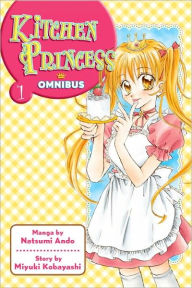
Kitchen Princess, by Natsumi Ando
This series is like a short course in shoujo manga, wrapping up a lot of the standard story twists in a very entertaining tale of a girl with a knack for cooking who attends a special elite academy for talented students—because she is looking for the boy who was kind to her as a child, a very common shoujo trope. Our heroine, Najika, is a sweet-tempered orphan who can solve almost any problem by fixing something to eat (recipes are included!). The whole series has been collected into four omnibus volumes, and if you like it, check out Ando’s school-mystery series Arisa.
Kitchen Princess, by Natsumi Ando
This series is like a short course in shoujo manga, wrapping up a lot of the standard story twists in a very entertaining tale of a girl with a knack for cooking who attends a special elite academy for talented students—because she is looking for the boy who was kind to her as a child, a very common shoujo trope. Our heroine, Najika, is a sweet-tempered orphan who can solve almost any problem by fixing something to eat (recipes are included!). The whole series has been collected into four omnibus volumes, and if you like it, check out Ando’s school-mystery series Arisa.
A Devil and Her Love Song, Volume 1
Paperback $11.99
A Devil and Her Love Song, Volume 1
Paperback $11.99
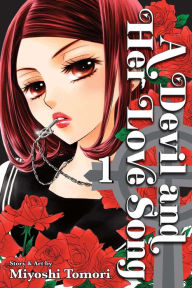
A Devil and Her Love Song, by Miyoshi Tomori
This story is a bit more complex and subtle than your standard shoujo romance. Maria Kowai comes to a new high school with plenty of baggage, including the fact that she was expelled from her previous school, but the thing that really sets her apart is her sharp tongue and her willingness to say what she is really thinking. That includes calling out the first guy who tries to be nice to her and defying the school bullies. Although first-time readers may find the pages a bit crowded, this is a smart and very enjoyable manga that turns the standard teen-comics conventions on their heads.
A Devil and Her Love Song, by Miyoshi Tomori
This story is a bit more complex and subtle than your standard shoujo romance. Maria Kowai comes to a new high school with plenty of baggage, including the fact that she was expelled from her previous school, but the thing that really sets her apart is her sharp tongue and her willingness to say what she is really thinking. That includes calling out the first guy who tries to be nice to her and defying the school bullies. Although first-time readers may find the pages a bit crowded, this is a smart and very enjoyable manga that turns the standard teen-comics conventions on their heads.
The Limit, 1

Paperback $10.95
The Limit, 1
Paperback $10.95
The Limit, by Keiko Suenobu
Dark and compelling, The Limit is a survivor story that picks up on the social structures of high school students and amplifies them by putting the characters into an extreme situation. Mizuki Konno is one of the popular girls, and she sees herself as a fish swimming along in the stream, getting along without attracting too much notice. That comfortable existence is shattered when the class goes on a trip and their bus crashes, killing almost everyone. Konno and a handful of others—including a girl she once bullied—are stranded in the wilderness, forced to depend on one another and face the consequences of their thoughtless actions.
The Limit, by Keiko Suenobu
Dark and compelling, The Limit is a survivor story that picks up on the social structures of high school students and amplifies them by putting the characters into an extreme situation. Mizuki Konno is one of the popular girls, and she sees herself as a fish swimming along in the stream, getting along without attracting too much notice. That comfortable existence is shattered when the class goes on a trip and their bus crashes, killing almost everyone. Konno and a handful of others—including a girl she once bullied—are stranded in the wilderness, forced to depend on one another and face the consequences of their thoughtless actions.
Alice in the Country of Hearts, Vol. 1
Paperback $20.00
Alice in the Country of Hearts, Vol. 1
Created by
QuinRose
Artist
Soumei Hoshino
Paperback $20.00
Alice in the Country of Hearts, by QuinRose
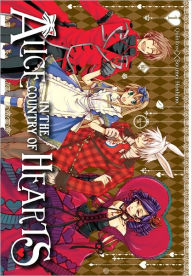
Alice is swept off to a strange alternate Wonderland that’s filled with cute guys and power struggles in this fantasy tale that’s based on a romance game in which the player chooses from an array of possible boyfriends. The original story is complete in three omnibus volumes, but the franchise is so popular that there are a lot of spinoffs.
Seinen
Seinen manga are created for young men, and this is the most varied category, embracing adventure stories, samurai manga, and battle stories but also romances and more literary tales, such as Kaoru Mori’s Emma, mysteries and thrillers such as Naoki Urasawa’s Monster and 20th Century Boys, foodie manga such as Oishinbo and The Drops of God, science fiction, and even the charming little-kid comedy Yotsuba&! Here’s a sampling that shows the wide range of stories published in seinen magazines:
Alice in the Country of Hearts, by QuinRose
Alice is swept off to a strange alternate Wonderland that’s filled with cute guys and power struggles in this fantasy tale that’s based on a romance game in which the player chooses from an array of possible boyfriends. The original story is complete in three omnibus volumes, but the franchise is so popular that there are a lot of spinoffs.
Seinen
Seinen manga are created for young men, and this is the most varied category, embracing adventure stories, samurai manga, and battle stories but also romances and more literary tales, such as Kaoru Mori’s Emma, mysteries and thrillers such as Naoki Urasawa’s Monster and 20th Century Boys, foodie manga such as Oishinbo and The Drops of God, science fiction, and even the charming little-kid comedy Yotsuba&! Here’s a sampling that shows the wide range of stories published in seinen magazines:
Vinland Saga, Volume 1
Hardcover $19.99
Vinland Saga, Volume 1
In Stock Online
Hardcover $19.99
Vinland Saga, by Makoko Yukimura
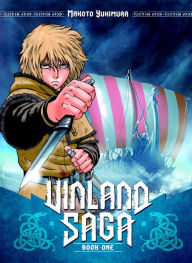
Have I mentioned how much I love this sprawling Viking series? Oh yes, I have. With its clear-lined style and mix of human drama and high adventure, this is a satisfying read filled with intrigue and action. Volume 6 is out next month, so this is a good time to start reading.
Vinland Saga, by Makoko Yukimura
Have I mentioned how much I love this sprawling Viking series? Oh yes, I have. With its clear-lined style and mix of human drama and high adventure, this is a satisfying read filled with intrigue and action. Volume 6 is out next month, so this is a good time to start reading.
Emma, Volume 1

Hardcover $35.00
Emma, Volume 1
By
Kaoru Mori
Translator
Sheldon Drzka
In Stock Online
Hardcover $35.00
Emma, by Kaoru Mori
For the non-Japanese reader, the only real clue to the seinen origins of this romance between a man and a maid in Victorian England is the loving detail lavished on his clothes, cuff links, fountain pens, and other manly accoutrements. Otherwise it’s a straight-up romance/adventure with tea parties, a kidnapping, and lively scenes of daily life both upstairs and downstairs, as well as a truly engaging heroine.
Emma, by Kaoru Mori
For the non-Japanese reader, the only real clue to the seinen origins of this romance between a man and a maid in Victorian England is the loving detail lavished on his clothes, cuff links, fountain pens, and other manly accoutrements. Otherwise it’s a straight-up romance/adventure with tea parties, a kidnapping, and lively scenes of daily life both upstairs and downstairs, as well as a truly engaging heroine.
Monster: The Perfect Edition, Vol. 1
Paperback $22.99
Monster: The Perfect Edition, Vol. 1
In Stock Online
Paperback $22.99
Monster, by Naoki Urasawa
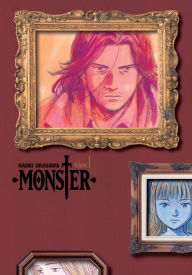
Naoki Urasawa’s work is a great read for manga first-timers because his art is clear and expressive—especially his characters’ faces—and his stories grab you by the throat and drag you in. Monster is the story of Dr. Kenzo Tenma, a surgeon on a quest to get to the bottom of a series of murders for which he feels he bears some (indirect) responsibility. Urasawa layers all sorts of side trips and subplots into this 18-volume story, making for a complex and fascinating read.
Monster, by Naoki Urasawa
Naoki Urasawa’s work is a great read for manga first-timers because his art is clear and expressive—especially his characters’ faces—and his stories grab you by the throat and drag you in. Monster is the story of Dr. Kenzo Tenma, a surgeon on a quest to get to the bottom of a series of murders for which he feels he bears some (indirect) responsibility. Urasawa layers all sorts of side trips and subplots into this 18-volume story, making for a complex and fascinating read.
Saturn Apartments, Vol. 1
Paperback $12.99
Saturn Apartments, Vol. 1
By Hisae Iwaoka
Paperback $12.99
Saturn Apartments, by Hisae Iwaoka
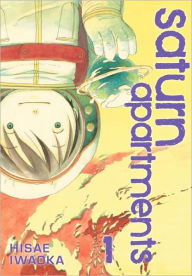
Humankind has moved from the surface of the earth to a giant ring-shaped complex that orbits it like the rings of Saturn. Up here, as it was down below, life is stratified, with the rich living in the upper levels, where the sunlight keeps them healthy, and the poor living in darkness below. Mitsu, a window cleaner, is one of the few who can move between levels. His job gives him a birds-eye view of some fascinating drama—and he has a mystery of his own.
Saturn Apartments, by Hisae Iwaoka
Humankind has moved from the surface of the earth to a giant ring-shaped complex that orbits it like the rings of Saturn. Up here, as it was down below, life is stratified, with the rich living in the upper levels, where the sunlight keeps them healthy, and the poor living in darkness below. Mitsu, a window cleaner, is one of the few who can move between levels. His job gives him a birds-eye view of some fascinating drama—and he has a mystery of his own.
The Drops of God, Volume 1
Paperback $14.95
The Drops of God, Volume 1
By
Tadashi Agi
Illustrator
Shu Okimoto
Paperback $14.95
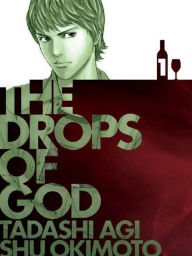
The Drops of God, by Tadashi Agi and Shu Okimoto
A famous wine critic dies, and his valuable wine collection will go to either his protege or his estranged son—who has never drunk wine—depending on who prevails in an elaborate wine-tasting competition. What ensues is an enjoyable soap opera with a lot of wine talk, and even non-drinkers will find plenty to like about this series. The first four volumes are a single story arc, and there’s a fifth, stand-alone volume, The Drops of God: New World, which focuses on American and Australian wines.
Josei
Young women are the target audience for josei manga, and most examples available in English are romances of one sort or another, such as Ai Yazawa’s Nana and Tomu Ohmi’s adult take on the vampire genre, Midnight Secretary. There’s only a handful of josei manga available in English, but what’s out there is pretty interesting. Here are three that go outside the standard romance lines:
The Drops of God, by Tadashi Agi and Shu Okimoto
A famous wine critic dies, and his valuable wine collection will go to either his protege or his estranged son—who has never drunk wine—depending on who prevails in an elaborate wine-tasting competition. What ensues is an enjoyable soap opera with a lot of wine talk, and even non-drinkers will find plenty to like about this series. The first four volumes are a single story arc, and there’s a fifth, stand-alone volume, The Drops of God: New World, which focuses on American and Australian wines.
Josei
Young women are the target audience for josei manga, and most examples available in English are romances of one sort or another, such as Ai Yazawa’s Nana and Tomu Ohmi’s adult take on the vampire genre, Midnight Secretary. There’s only a handful of josei manga available in English, but what’s out there is pretty interesting. Here are three that go outside the standard romance lines:
Paradise Kiss, Part 1

Paperback $19.95
Paradise Kiss, Part 1
By Ai Yazawa
Paperback $19.95
Paradise Kiss, by Ai Yazawa
Yukari is an obedient high school senior who is doing what the adults expect of her, without feeling any real joy, until she encounters a quirky group of fashion designers and becomes their model. There’s a romance plot, but this story is really about that moment where you start living for yourself rather than the expectations of others, and the fashion-school setting makes for a fascinating read.
Paradise Kiss, by Ai Yazawa
Yukari is an obedient high school senior who is doing what the adults expect of her, without feeling any real joy, until she encounters a quirky group of fashion designers and becomes their model. There’s a romance plot, but this story is really about that moment where you start living for yourself rather than the expectations of others, and the fashion-school setting makes for a fascinating read.
Helter Skelter: Fashion Unfriendly
Paperback $16.95
Helter Skelter: Fashion Unfriendly
In Stock Online
Paperback $16.95
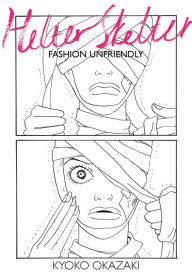
Helter Skelter: Fashion Unfriendly, by Kyoko Okazaki
Helter Skelter is a harsh, twisted story of the ugliness behind the beauty industry. Liliko is a top model, but her beauty comes at a high price—special treatments that will ultimately destroy her body. As she becomes more and more desperate, lashing out at those around her, her whole world starts to fall apart. This story is complete in one volume and is drawn in an unusual loose style that fits the subject matter very well.
Helter Skelter: Fashion Unfriendly, by Kyoko Okazaki
Helter Skelter is a harsh, twisted story of the ugliness behind the beauty industry. Liliko is a top model, but her beauty comes at a high price—special treatments that will ultimately destroy her body. As she becomes more and more desperate, lashing out at those around her, her whole world starts to fall apart. This story is complete in one volume and is drawn in an unusual loose style that fits the subject matter very well.
In Clothes Called Fat

Paperback $16.95
In Clothes Called Fat
By Moyoco Anno
In Stock Online
Paperback $16.95
In Clothes Called Fat, by Moyoco Anno
Noko is the opposite of Helter Skelter‘s Liliko: She’s an ordinary young woman working in an office, she’s chubby, and while she’s not happy about that, she does have a good relationship with her boyfriend (or so she thinks). It all starts to fall apart when a co-worker starts bullying her, and she decides that losing weight will solve her problems. Anno uses weight and body image as a lens to view her characters’ actions and motivations, something that will resonate with many non-Japanese readers.
Tricks of the Trade
No matter what you’re reading, manga has its own set of conventions, visual and otherwise, and while they aren’t that hard to pick up as you go along, it’s helpful to know what they are before you start.
Reading right to left: Most manga that is published in the U.S. is printed in its original Japanese format, which is the reverse of most English-language books: The front cover is where you would expect the back to be. There’s usually a reading guide to explain how to follow the flow of the panels, but basically, it’s right to left, top to bottom. While this takes a little getting used to, it helps that good manga artists also compose the page carefully to draw the eye naturally to the next panel. If reading “backwards” is a deal-killer for you, though, there are a handful of manga that are printed in left-to-right format:
In Clothes Called Fat, by Moyoco Anno
Noko is the opposite of Helter Skelter‘s Liliko: She’s an ordinary young woman working in an office, she’s chubby, and while she’s not happy about that, she does have a good relationship with her boyfriend (or so she thinks). It all starts to fall apart when a co-worker starts bullying her, and she decides that losing weight will solve her problems. Anno uses weight and body image as a lens to view her characters’ actions and motivations, something that will resonate with many non-Japanese readers.
Tricks of the Trade
No matter what you’re reading, manga has its own set of conventions, visual and otherwise, and while they aren’t that hard to pick up as you go along, it’s helpful to know what they are before you start.
Reading right to left: Most manga that is published in the U.S. is printed in its original Japanese format, which is the reverse of most English-language books: The front cover is where you would expect the back to be. There’s usually a reading guide to explain how to follow the flow of the panels, but basically, it’s right to left, top to bottom. While this takes a little getting used to, it helps that good manga artists also compose the page carefully to draw the eye naturally to the next panel. If reading “backwards” is a deal-killer for you, though, there are a handful of manga that are printed in left-to-right format:
The Complete Chi's Sweet Home 1
Paperback $24.95
The Complete Chi's Sweet Home 1
In Stock Online
Paperback $24.95
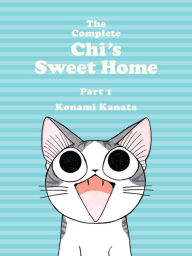
Chi’s Sweet Home, by Konami Kanata
This charming all-ages story of a lost cat taken in by a family in a pet-free apartment complex is published left-to-right and in color.
Chi’s Sweet Home, by Konami Kanata
This charming all-ages story of a lost cat taken in by a family in a pet-free apartment complex is published left-to-right and in color.
Blade of the Immortal, Volume 1: Blood of a Thousand
eBook $8.99
Blade of the Immortal, Volume 1: Blood of a Thousand
By
Hiroaki Samura
Illustrator
Various
In Stock Online
eBook $8.99
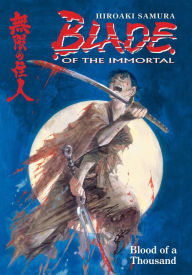
Blade of the Immortal, by Hiroaki Samura
This tale of a ronin (masterless samurai) on a quest to slay 1,000 evil men reads left-to-right, but only the order of the panels has been changed—at the request of creator Hiroaki Samura, the art itself has not been flipped.
Blade of the Immortal, by Hiroaki Samura
This tale of a ronin (masterless samurai) on a quest to slay 1,000 evil men reads left-to-right, but only the order of the panels has been changed—at the request of creator Hiroaki Samura, the art itself has not been flipped.
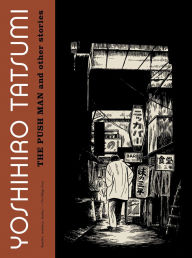
The Push Man and Other Stories
Paperback $16.95
The Push Man and Other Stories
Paperback $16.95
The Push Man, by Yoshihiro Tatsumi
Tatsumi’s collection of short, dark stories about life in Tokyo is one of the premier examples of gekiga, or alternative manga, close in spirit and style to the underground comics movements in other countries.
Look! Who’s talking? Word balloons work the same way in manga as in English-language comics, with the tail always pointing toward the speaker, but sometimes that means the tail points into the bubble—it’s like an “innie,” as opposed to the more common “outie.” Another often-used device is to present the character’s thoughts as lettering over the background, without any balloon or text box, and sometimes two different inner monologues will appear on the same page, with different sizes of lettering to distinguish between the two.
Honorifics: Honorifics, the suffixes that come after a name, denote the relationship between the speaker and the person being addressed or spoken about; for instance, the suffixes –kun and –chan are used among friends, while –senpai refers to a student in a higher grade, and –sensei refers to a teacher or someone for whom the speaker has great respect. It used to be common for manga to include an explanation of honorifics in the front or back, but I’m seeing less of that these days; fortunately, Wikipedia has a handy list of the most common ones.
Translator’s notes: Not every manga includes translator’s notes, but it’s always a good idea to check the back of the book before you start. Some notes are very basic, while others provide cultural information that may help you understand the story.
Flashbacks: If the background of the page is black, you’re probably reading a flashback—this is often the only signal the creator will give that the story has shifted to the past.
Sound effects: Japanese comics use a lot more sound effects than American comics, and they are often an integral part of the art. That makes translating them into other languages problematic. Some publishers keep the originals and translate them in smaller lettering nearby, while others completely re-draw them for English speakers.
Iconography: Manga artists have a lot of different ways of expressing emotion. A perfectly normal looking character might suddenly turn into a rounded, child-like chibi when he or she is upset or angry. Sweatdrops express nervousness, logically enough, and if you see something that looks like a hashtag on someone’s head, they are angry (it’s supposed to look like a throbbing vein). A nosebleed is never just a nosebleed in manga, it’s a sign of sexual arousal, and a snot bubble coming out of someone’s nose means they are sleeping. (For a really fun book that brings a manga character, complete with all these conventions, into the world of Western comics, check out Barry Lyga and Colleen Doran’s Mangaman.)
Glossary of terms
You already know what the major genres of manga are; here are a few more terms that fans use when they are talking about it.
Chibi: A small, rounded form that characters take when they are undergoing extreme emotions. Also called super-deformed, or SD.
Doujinshi: Fan comics, often featuring characters from popular commercial manga. A popular medium in Japan, doujinshi are often self-published in small editions to be traded with or sold to other fans. Fun fact: The largest comic con in the world, Comic Market (Comiket), is a doujinshi event.
Fanservice: Gratuitous sexual content such as panty shots and shower scenes.
Gekiga: Alternative or underground manga. Yoshihiro Tatsumi is generally credited with inventing the term, which literally means “dramatic pictures,” as opposed to manga, “whimsical pictures.”
Manga-ka: A manga creator.
Omake: Literally “extras,” omake are little notes to the reader, often presented as short gag comics, that appear at the end of chapters or volumes. They may talk about the manga-ka’s everyday life or offer some insights into the creation of the manga.
Otaku: An obsessive fan, of manga or anything else.
Ronin: In historical stories, a wandering samurai with no master or steady employment; in modern stories, it often refers to someone who is unemployed or unable to get into college.
Tankoubon: A collected edition of manga. In Japan, most manga are serialized in weekly or monthly magazines (sometimes referred to as “phonebooks” because they are so thick) and then collected into tankoubon.
Yaoi: Romances between two male characters, usually written by women for women. Sometimes called shonen-ai, or “boys love.”
Yokai: Spirits that often take very specific forms, such as the kappa, a lizard-like creature that has a depression in the top of its head that must be kept filled with water, or karakasa, umbrellas that come to life when they reach 100 years of age. Also known as ayakashi, mononoke, or obake (shapeshifters), they can be good or evil but usually cause trouble.
Yon-koma manga: Four-panel gag manga that usually run vertically down the page. Azumanga Daioh and K-On! are two popular examples that have been translated into English.
Yuri: Romances between two women.
Phew! That’s all you need to know to get started. Now go forth, young manga reader, and enjoy.
The Push Man, by Yoshihiro Tatsumi
Tatsumi’s collection of short, dark stories about life in Tokyo is one of the premier examples of gekiga, or alternative manga, close in spirit and style to the underground comics movements in other countries.
Look! Who’s talking? Word balloons work the same way in manga as in English-language comics, with the tail always pointing toward the speaker, but sometimes that means the tail points into the bubble—it’s like an “innie,” as opposed to the more common “outie.” Another often-used device is to present the character’s thoughts as lettering over the background, without any balloon or text box, and sometimes two different inner monologues will appear on the same page, with different sizes of lettering to distinguish between the two.
Honorifics: Honorifics, the suffixes that come after a name, denote the relationship between the speaker and the person being addressed or spoken about; for instance, the suffixes –kun and –chan are used among friends, while –senpai refers to a student in a higher grade, and –sensei refers to a teacher or someone for whom the speaker has great respect. It used to be common for manga to include an explanation of honorifics in the front or back, but I’m seeing less of that these days; fortunately, Wikipedia has a handy list of the most common ones.
Translator’s notes: Not every manga includes translator’s notes, but it’s always a good idea to check the back of the book before you start. Some notes are very basic, while others provide cultural information that may help you understand the story.
Flashbacks: If the background of the page is black, you’re probably reading a flashback—this is often the only signal the creator will give that the story has shifted to the past.
Sound effects: Japanese comics use a lot more sound effects than American comics, and they are often an integral part of the art. That makes translating them into other languages problematic. Some publishers keep the originals and translate them in smaller lettering nearby, while others completely re-draw them for English speakers.
Iconography: Manga artists have a lot of different ways of expressing emotion. A perfectly normal looking character might suddenly turn into a rounded, child-like chibi when he or she is upset or angry. Sweatdrops express nervousness, logically enough, and if you see something that looks like a hashtag on someone’s head, they are angry (it’s supposed to look like a throbbing vein). A nosebleed is never just a nosebleed in manga, it’s a sign of sexual arousal, and a snot bubble coming out of someone’s nose means they are sleeping. (For a really fun book that brings a manga character, complete with all these conventions, into the world of Western comics, check out Barry Lyga and Colleen Doran’s Mangaman.)
Glossary of terms
You already know what the major genres of manga are; here are a few more terms that fans use when they are talking about it.
Chibi: A small, rounded form that characters take when they are undergoing extreme emotions. Also called super-deformed, or SD.
Doujinshi: Fan comics, often featuring characters from popular commercial manga. A popular medium in Japan, doujinshi are often self-published in small editions to be traded with or sold to other fans. Fun fact: The largest comic con in the world, Comic Market (Comiket), is a doujinshi event.
Fanservice: Gratuitous sexual content such as panty shots and shower scenes.
Gekiga: Alternative or underground manga. Yoshihiro Tatsumi is generally credited with inventing the term, which literally means “dramatic pictures,” as opposed to manga, “whimsical pictures.”
Manga-ka: A manga creator.
Omake: Literally “extras,” omake are little notes to the reader, often presented as short gag comics, that appear at the end of chapters or volumes. They may talk about the manga-ka’s everyday life or offer some insights into the creation of the manga.
Otaku: An obsessive fan, of manga or anything else.
Ronin: In historical stories, a wandering samurai with no master or steady employment; in modern stories, it often refers to someone who is unemployed or unable to get into college.
Tankoubon: A collected edition of manga. In Japan, most manga are serialized in weekly or monthly magazines (sometimes referred to as “phonebooks” because they are so thick) and then collected into tankoubon.
Yaoi: Romances between two male characters, usually written by women for women. Sometimes called shonen-ai, or “boys love.”
Yokai: Spirits that often take very specific forms, such as the kappa, a lizard-like creature that has a depression in the top of its head that must be kept filled with water, or karakasa, umbrellas that come to life when they reach 100 years of age. Also known as ayakashi, mononoke, or obake (shapeshifters), they can be good or evil but usually cause trouble.
Yon-koma manga: Four-panel gag manga that usually run vertically down the page. Azumanga Daioh and K-On! are two popular examples that have been translated into English.
Yuri: Romances between two women.
Phew! That’s all you need to know to get started. Now go forth, young manga reader, and enjoy.