












































The Book Store
Discover the best books to read right now including trending titles, bookseller recommendations, new releases and more.


50% Off Thousands of Hardcover Books
Shop NowBestsellers
See All

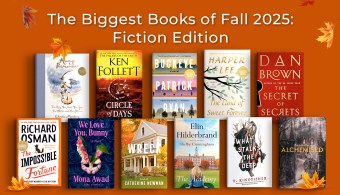
The Biggest New Releases
See AllPaperbacks of the Year
See All

Our Monthly Picks
See AllNeed inspiration on what to read this month? Discover the best picks of the month from the book experts at Barnes & Noble!
Need inspiration on what to read this month? Discover the best picks of the month from the book experts at Barnes & Noble!


Trending Subjects
Barnes & Noble Book Club
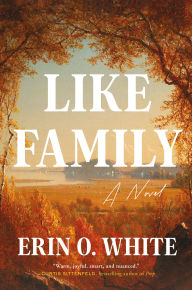
See AllThis Month's Pick: Like Family
Life-long friends endure the ups and downs of adulthood in this glowing tale of chosen family and complicated love. When secrets and forgotten dreams resurface, three couples confront difficult truths.
Life-long friends endure the ups and downs of adulthood in this glowing tale of chosen family and complicated love. When secrets and forgotten dreams resurface, three couples confront difficult truths.

Books by Interest


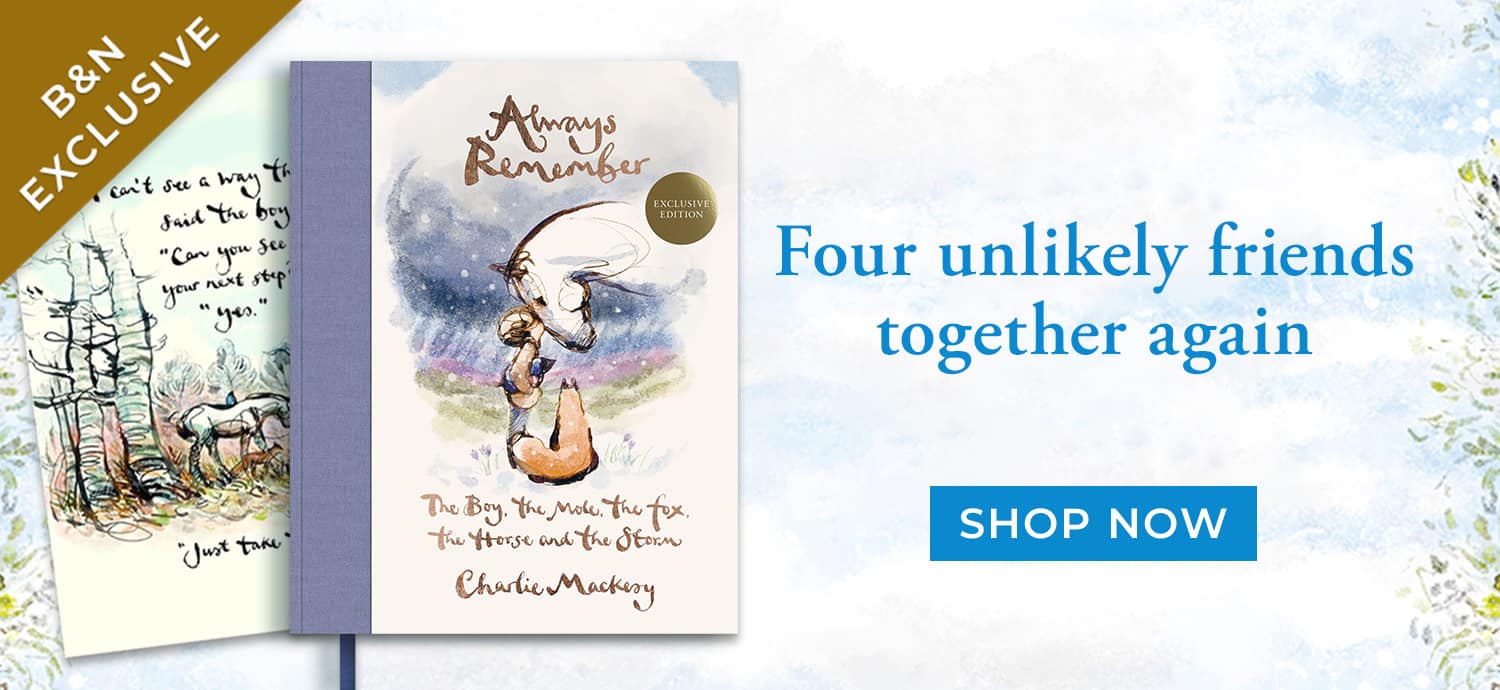
Only at Barnes & Noble
See AllBest Reviewed
See All

Find Your Next Read
The Biggest Books Coming Soon
See All

Bestselling eBooks
See AllBestselling Audiobooks
See All