Kill Creek Is the Horror Debut of 2017
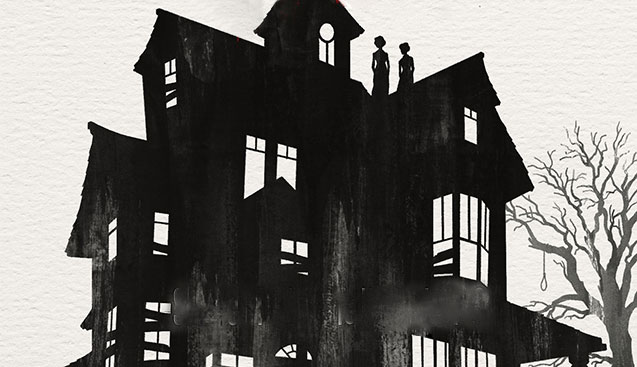 The best horror will bite you. Scott Thomas understands this intimately. In Kill Creek, his debut novel, Thomas weaves together seemingly competing strands of horror—from the lurid sensuality of extreme gore to the unnerving slow burn of suburban and pastoral gothic—into a moving, terrifying tale of corruption, obsession, and grief. It’s a haunted house story, yes, and an exploration of the scars the past can leave on the world, and the wrenching process of facing them. It bites deep and doesn’t let go, and fans of the genre who miss it will be missing out on one of the year’s most striking debuts.
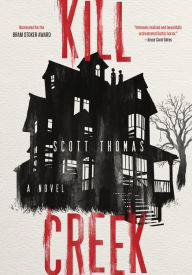
Kill Creek
Paperback $18.99
Kill Creek
By Scott Thomas
In Stock Online
Paperback $18.99
It seems like a simple offer: four best-selling horror authors—gothic fiction legend Sebastian Cole, suburban-gothic bestseller Sam McGarver, extreme horror maven T.C. Moore, and YA pulpist Daniel Slaughter—are asked by an eccentric media guru to spend Halloween night in the Finch House, one of the country’s most infamous haunted mansions. All four could use the publicity boost, never mind the good a night in a haunted house might do for their creativity, and readily accept—and quickly discover they’re in for more than a mere publicity stunt. Their presence appears to have have awakened something slumbering in the house—a force that will pursue them tirelessly, even after they’ve returned home. The Finch House is most certainly not done with them, and it will stop at nothing to claim the writers as part of its bloody history.
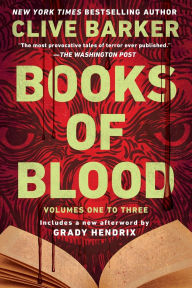
It’s clear from page one that Scott Thomas is fluent in the language of horror. In her first scene, T.C. Moore shares her views on the violent horror she favors, an interplay of sensuality and violence that mirrors the unsettling sensations of real-world masterpieces like Clive Barker’s Books of Blood, revealing the character’s—and the author’s—dark love for the genre, all in one moment. The house itself seems to engineer bespoke terrors for its four temporary residents, pulled from the pages of the horror stories they favor, using tropes they are well familiar with to tell a horrible story in a language they’ll understand. That Thomas manages this while avoiding turning the book into another metafictional dissection of the genre makes it all the more impressive—it’s how and why the characters understand these conventions, and how that understanding dooms them, that matters in the end. Any thought that, as experts, they’re inoculated against those things that scare us in stories only serves to blind them to the coldly logical reasons the house has for pushing them into the same traps they have made their stock in trade.
It seems like a simple offer: four best-selling horror authors—gothic fiction legend Sebastian Cole, suburban-gothic bestseller Sam McGarver, extreme horror maven T.C. Moore, and YA pulpist Daniel Slaughter—are asked by an eccentric media guru to spend Halloween night in the Finch House, one of the country’s most infamous haunted mansions. All four could use the publicity boost, never mind the good a night in a haunted house might do for their creativity, and readily accept—and quickly discover they’re in for more than a mere publicity stunt. Their presence appears to have have awakened something slumbering in the house—a force that will pursue them tirelessly, even after they’ve returned home. The Finch House is most certainly not done with them, and it will stop at nothing to claim the writers as part of its bloody history.
It’s clear from page one that Scott Thomas is fluent in the language of horror. In her first scene, T.C. Moore shares her views on the violent horror she favors, an interplay of sensuality and violence that mirrors the unsettling sensations of real-world masterpieces like Clive Barker’s Books of Blood, revealing the character’s—and the author’s—dark love for the genre, all in one moment. The house itself seems to engineer bespoke terrors for its four temporary residents, pulled from the pages of the horror stories they favor, using tropes they are well familiar with to tell a horrible story in a language they’ll understand. That Thomas manages this while avoiding turning the book into another metafictional dissection of the genre makes it all the more impressive—it’s how and why the characters understand these conventions, and how that understanding dooms them, that matters in the end. Any thought that, as experts, they’re inoculated against those things that scare us in stories only serves to blind them to the coldly logical reasons the house has for pushing them into the same traps they have made their stock in trade.
Clive Barker's Books of Blood 1-3
Paperback $20.00
Clive Barker's Books of Blood 1-3
By
Clive Barker
Afterword
Grady Hendrix
In Stock Online
Paperback $20.00
Crucially, Thomas also understands that horror is more than an assemblage of tropes. The stories that slide in under our fingernails are the ones rooted in the visceral, and tied to real emotions, with real terrors lurking behind the supernatural threats. Kill Creek is a book about scars—not physical one (though the characters suffer plenty of them throughout these pages), but the scars left by the past, that linger long after you think you’ve overcome the trauma of whatever injury inflicted them. Each of the writers lodging at the Finch House has secrets the house is more than willing to use against them—bone-deep fears, memories of childhood trauma and abuse, things they’ve tried to move beyond, writing horror stories to erase their own, writing to keep the darkness in their lives at bay. At one point, they compare notes, sharing their works-in-progress. With so much darkness to crowd out of their minds, all have written massive doorstoppers.
It is one thing to understand the conventions of a genre. Scott Thomas uses his expertise to build an intimate, twisted edifice to horror itself, interweaving styles and subgenres and drawing on a variety of influences to craft something truly his own. Kill Creek is a disturbed love letter from a horror fan to horror fans—it’s messed up in all the best ways, all the ways that count. It proves that Scott Thomas gets it, and if you love horror even half as much as he does, you should be paying attention.
Kill Creek is available now.
Crucially, Thomas also understands that horror is more than an assemblage of tropes. The stories that slide in under our fingernails are the ones rooted in the visceral, and tied to real emotions, with real terrors lurking behind the supernatural threats. Kill Creek is a book about scars—not physical one (though the characters suffer plenty of them throughout these pages), but the scars left by the past, that linger long after you think you’ve overcome the trauma of whatever injury inflicted them. Each of the writers lodging at the Finch House has secrets the house is more than willing to use against them—bone-deep fears, memories of childhood trauma and abuse, things they’ve tried to move beyond, writing horror stories to erase their own, writing to keep the darkness in their lives at bay. At one point, they compare notes, sharing their works-in-progress. With so much darkness to crowd out of their minds, all have written massive doorstoppers.
It is one thing to understand the conventions of a genre. Scott Thomas uses his expertise to build an intimate, twisted edifice to horror itself, interweaving styles and subgenres and drawing on a variety of influences to craft something truly his own. Kill Creek is a disturbed love letter from a horror fan to horror fans—it’s messed up in all the best ways, all the ways that count. It proves that Scott Thomas gets it, and if you love horror even half as much as he does, you should be paying attention.
Kill Creek is available now.